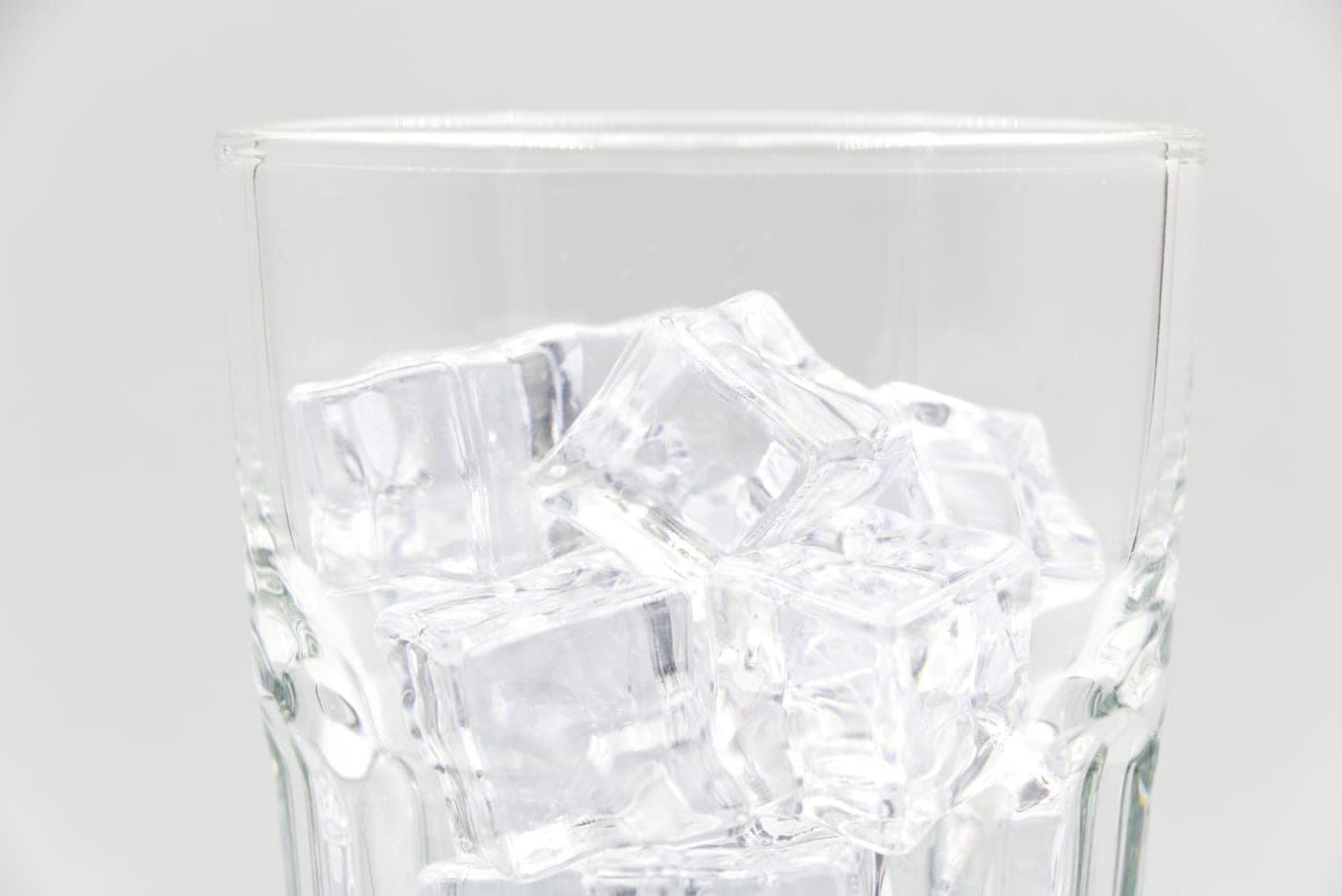
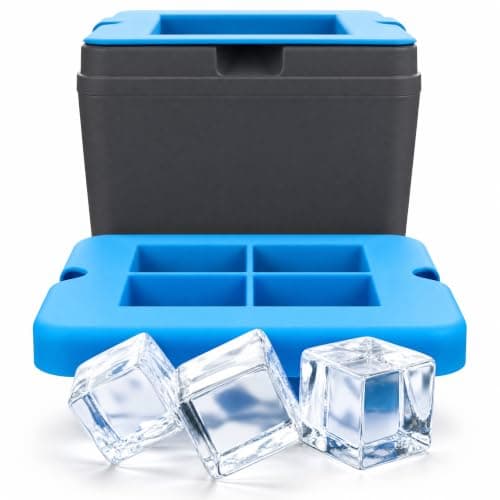
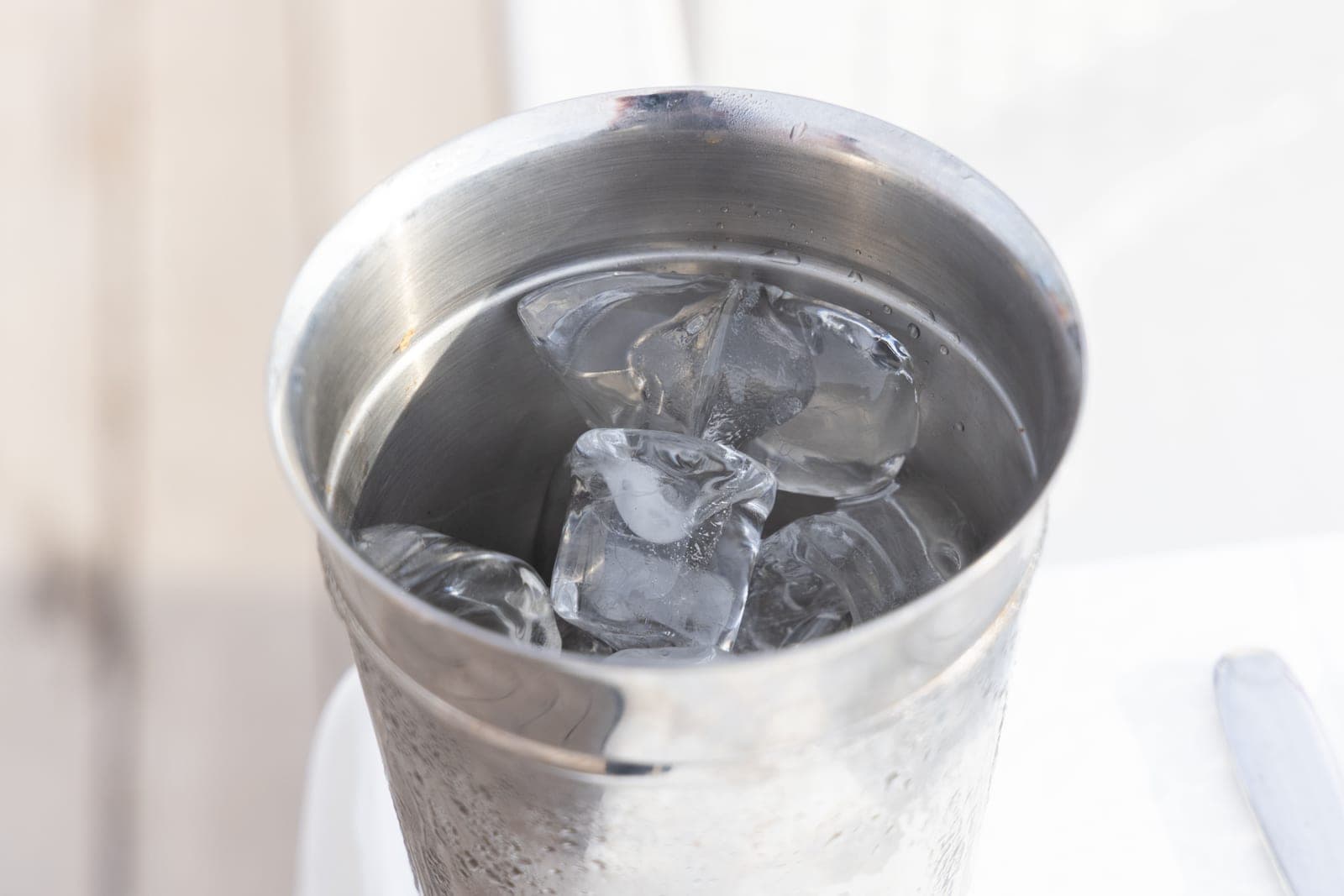
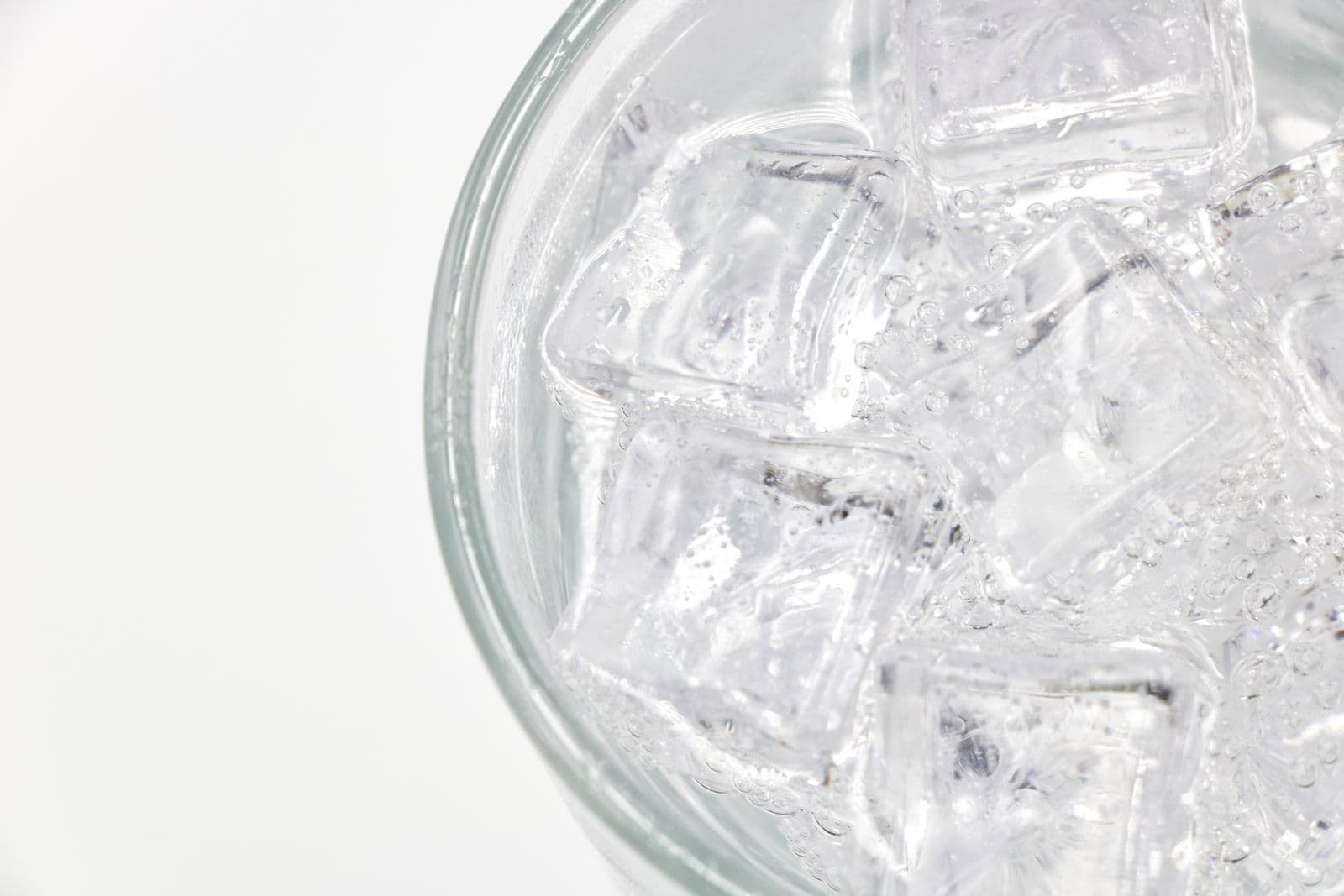
Every cocktail contains more ice than anything else, and it is the only ingredient nobody thinks of as a gift. That makes it the most reliably surprising thing in this whole category: an ice mold under twenty-five dollars visibly changes a drink in a way a more expensive shaker does not.
Why ice is an ingredient
Ice does two jobs. It chills, and it dilutes — and the dilution is not a flaw, it is part of the recipe. A properly made cocktail is roughly a quarter water by the time it reaches the glass, and that water is what turns a harsh mix of spirits into something drinkable.
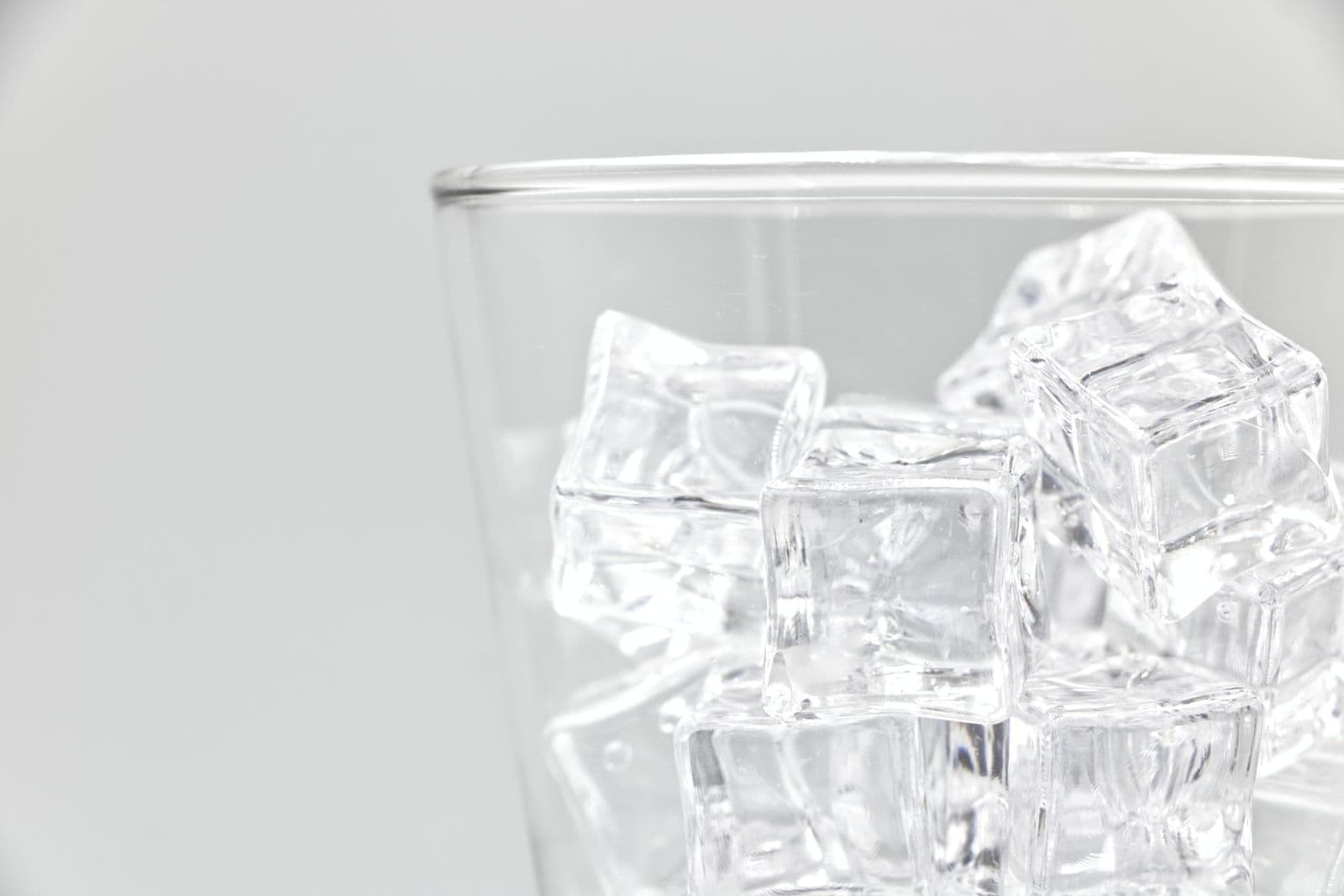
What you want is control over the rate. Small, thin, hollow freezer-tray cubes melt fast and unpredictably, so the last third of the drink is water. A large dense cube melts slowly and the drink is still a drink at the bottom. That is the whole argument, and we take it apart properly here.
Why bar ice is clear and yours is not
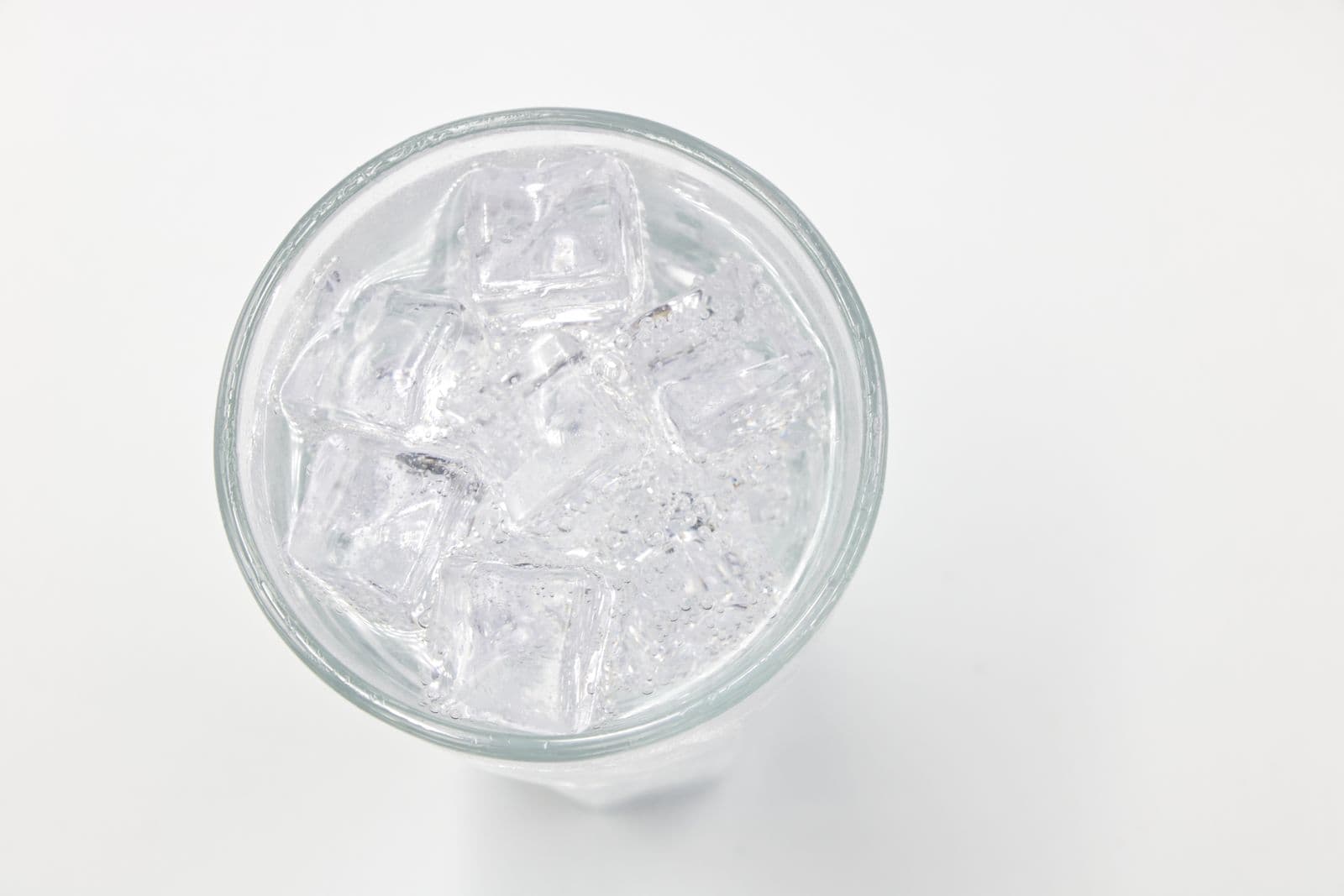
Home freezer ice goes cloudy because the water freezes from every side at once, trapping dissolved air and minerals in the middle. Bar ice is clear because it freezes from one direction only, pushing the impurities ahead of the ice front into a part of the block that gets discarded.
That method is called directional freezing, and every clear-ice product worth buying uses it: an insulated shell that stops the sides and bottom freezing so the cube forms downward from the top. It is genuinely physics rather than marketing, and you can watch the cloud collect underneath. You can also do it with a cooler and no special equipment at all, which we explain step by step.
Three ways to buy ice, and who each suits
- A mold or tray. Cheapest, slowest, no running cost. A clear-ice tray yields around four large cubes per eighteen-to-twenty-two-hour cycle. Perfect for one or two people, useless for a party. Our molds page has the yields.
- A press. A heated aluminum block that melts a shape out of a larger piece of ice in seconds. Fast and dramatic, needs a supply of ice to work from, and is priced as a specialist object.
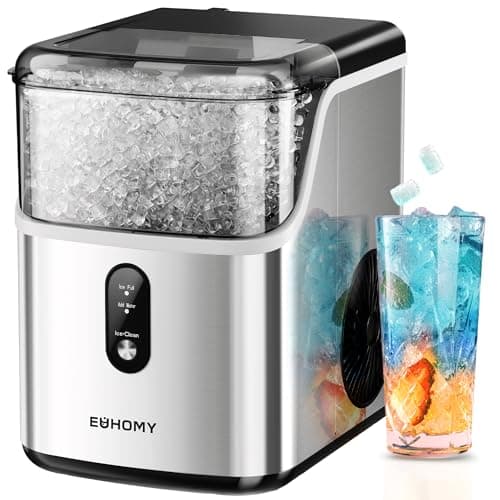
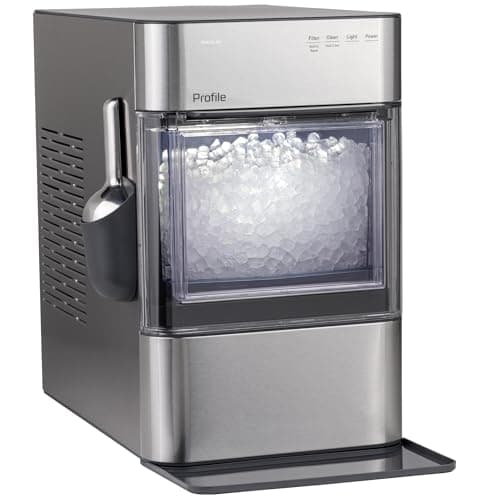
- A countertop machine. Continuous supply, measured in pounds per day. It changes what the kitchen can do every day rather than what the cocktail tastes like — and the ice it makes is soft nugget ice, which is excellent in a long drink and wrong for whiskey. The machines, compared.
If you cannot decide, the mold versus press versus machine page puts all three in one table.
The numbers we publish, and why
Ice products are unusually easy to compare because the useful specifications are all published: cubes per cycle, hours per cycle, pounds per day, bin capacity, and the mold’s own dimensions. From those, three calculations answer almost every real question:
- Cubes per day. Yield divided by cycle time. A tray making four cubes every twenty hours is a two-drink-a-day tray, which is the thing nobody tells you before you buy one.
- Freezer footprint per cube. An insulated clear-ice shell can occupy the volume of a shoebox to return four cubes. In a full freezer that is a genuine constraint and it should decide the purchase.
- Drinks per hour of supply. For machines, pounds per hour against the roughly one third of a pound a tall drink uses.
Every one of those runs on the manufacturer’s own published figures, with the arithmetic shown so you can redo it. That is the method for the whole site.
Two questions this section answers badly everywhere else
The first is nugget ice — the soft, chewable pellets people mean when they say Sonic ice. The machines that make it all publish within three pounds a day of each other, so the decision is counter space and tank size rather than output, and the Opal 2.0 Ultra gets a review of its own. The honest catch: nugget ice is full of trapped air, so it melts fast and is the wrong ice for whiskey.
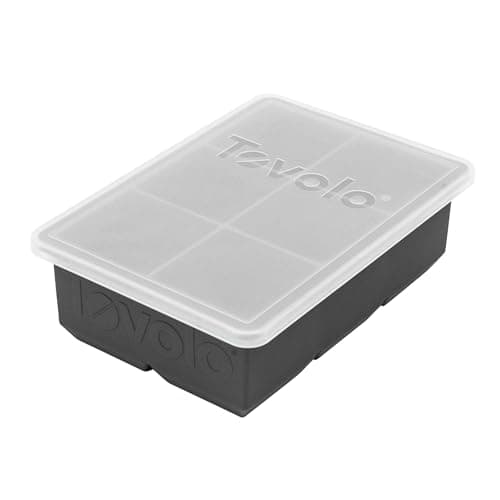
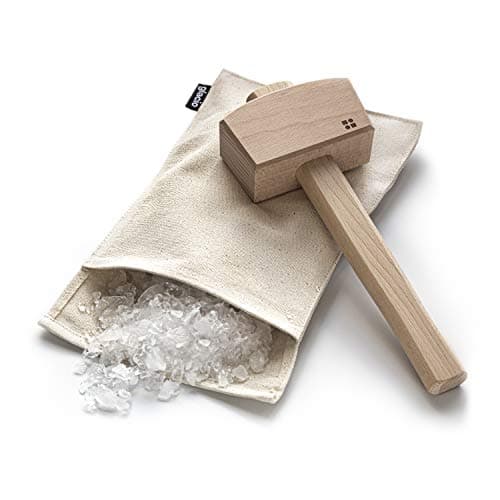
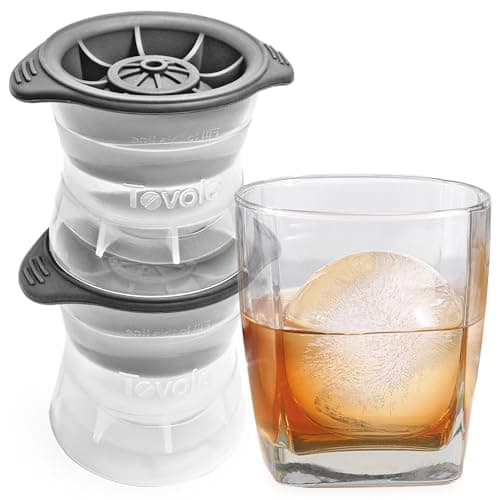
Three pages cover the ice you make rather than the machine that makes it. Ice cube trays compares published cube sizes, because a 2-inch cube holds about eight times the ice of a standard one; the Tovolo molds review covers the two most-bought big-ice molds and says plainly what they do not do; and crushed ice makers explains why a canvas Lewis bag beats a blender, which is the one ice method a machine cannot improve on.
One machine gets a review of its own: the EUHOMY nugget ice maker publishes 35 lb a day against an Opal’s 36 for a fraction of the money, and the review is specific about what the difference actually buys.
The second is whiskey stones. Stones against ice is a short argument with a clear answer — six granite discs carry less chilling material than one 2-inch cube, and stone cannot do the thing that makes ice work at all.