Glassware is the easiest cocktail gift to get right and the easiest to overspend on. The shapes that matter are few, the capacity number tells you more than the material does, and a set of four ordinary glasses is used far more than a pair of beautiful ones.
Three shapes cover almost everything
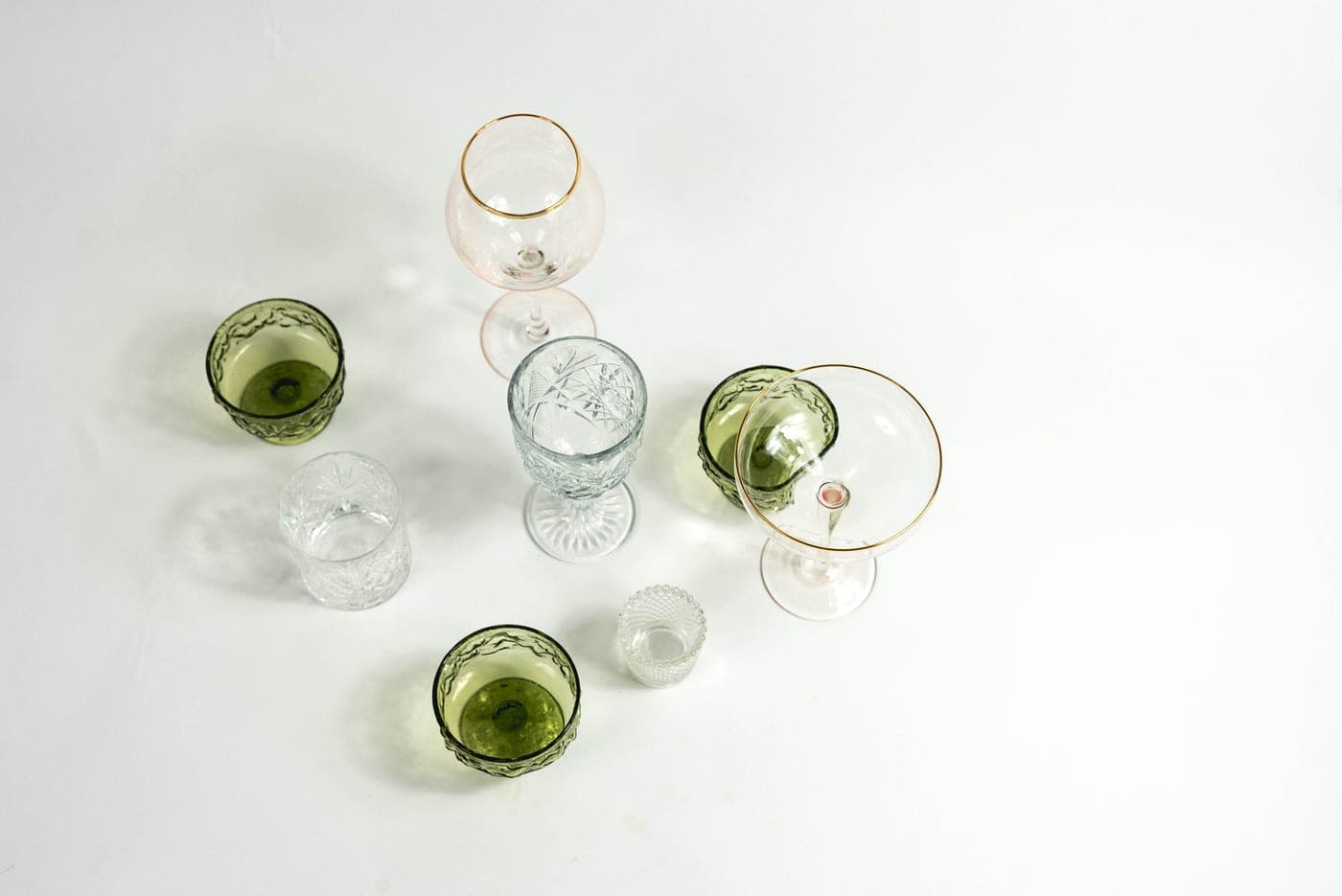
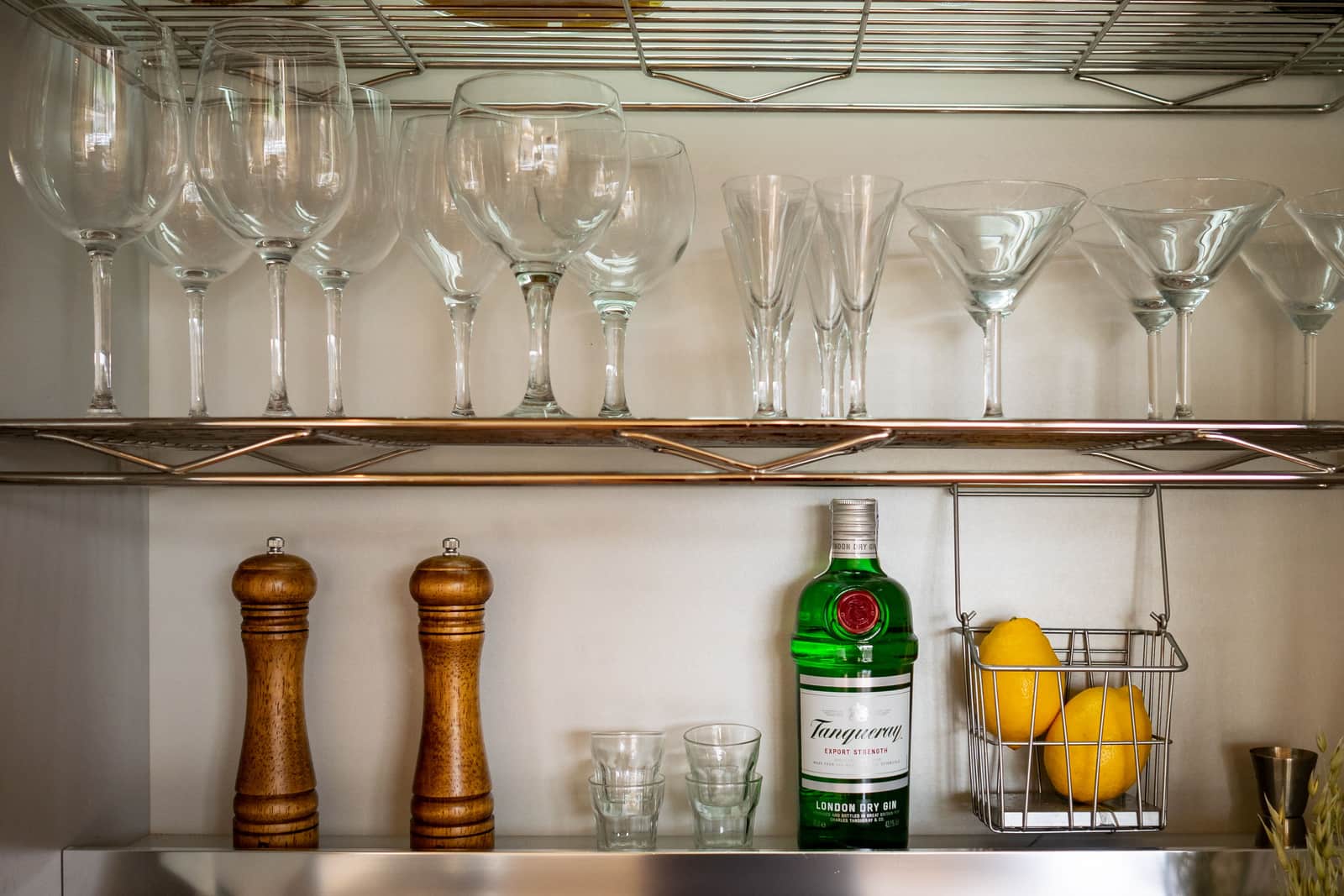
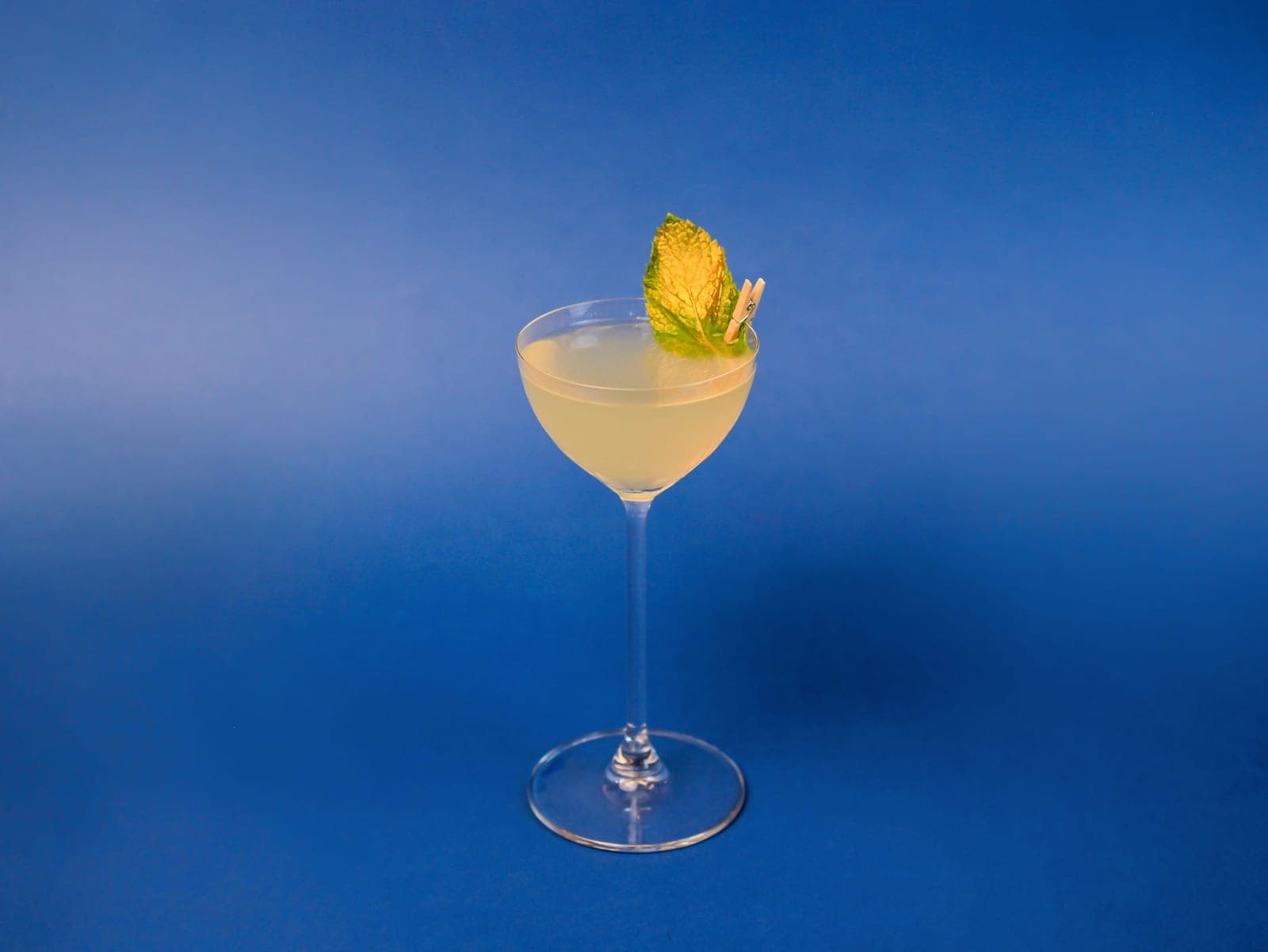
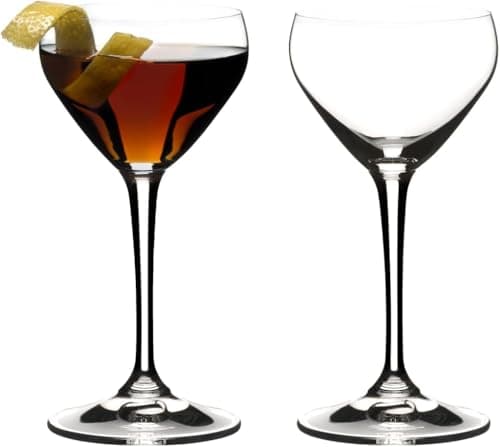
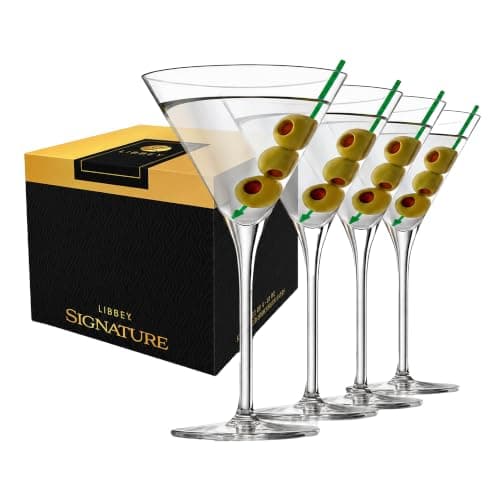
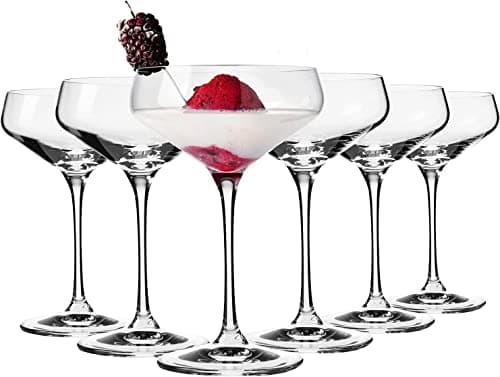
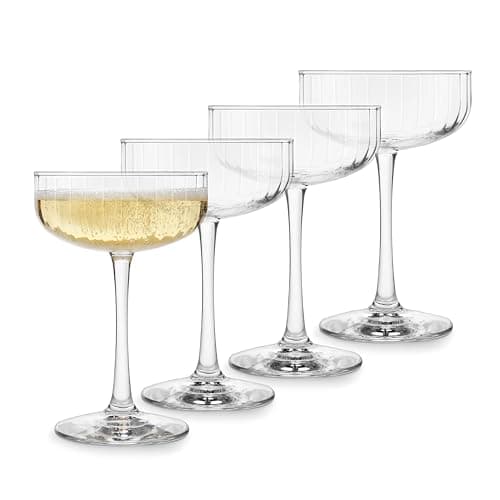
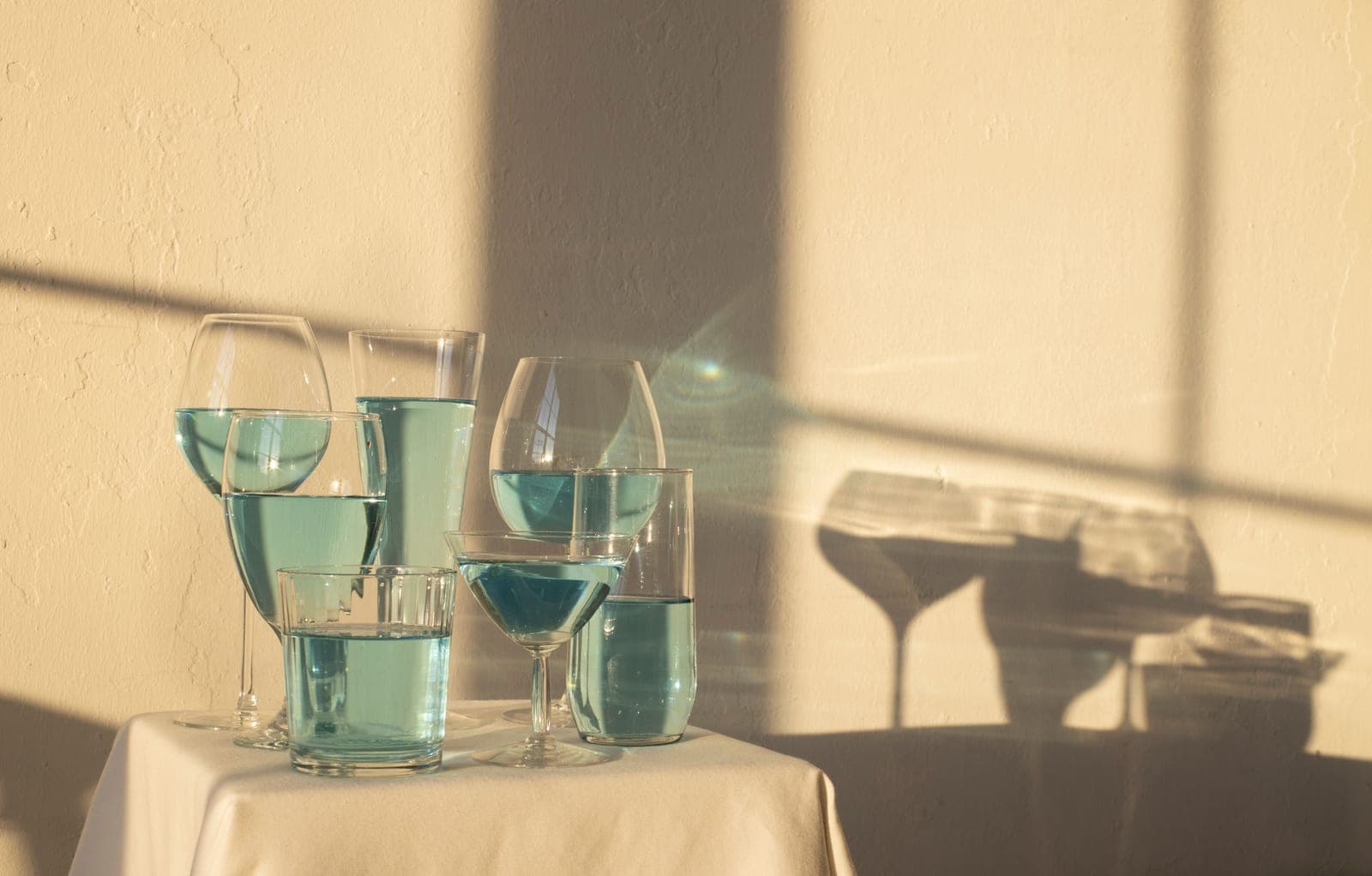
- A stemmed glass for drinks served “up” — no ice in the glass. Martinis, daiquiris, manhattans, sours. A coupe (wide and shallow) or a Nick & Nora (small and tulip-shaped). The stem exists so a hand does not warm the drink.
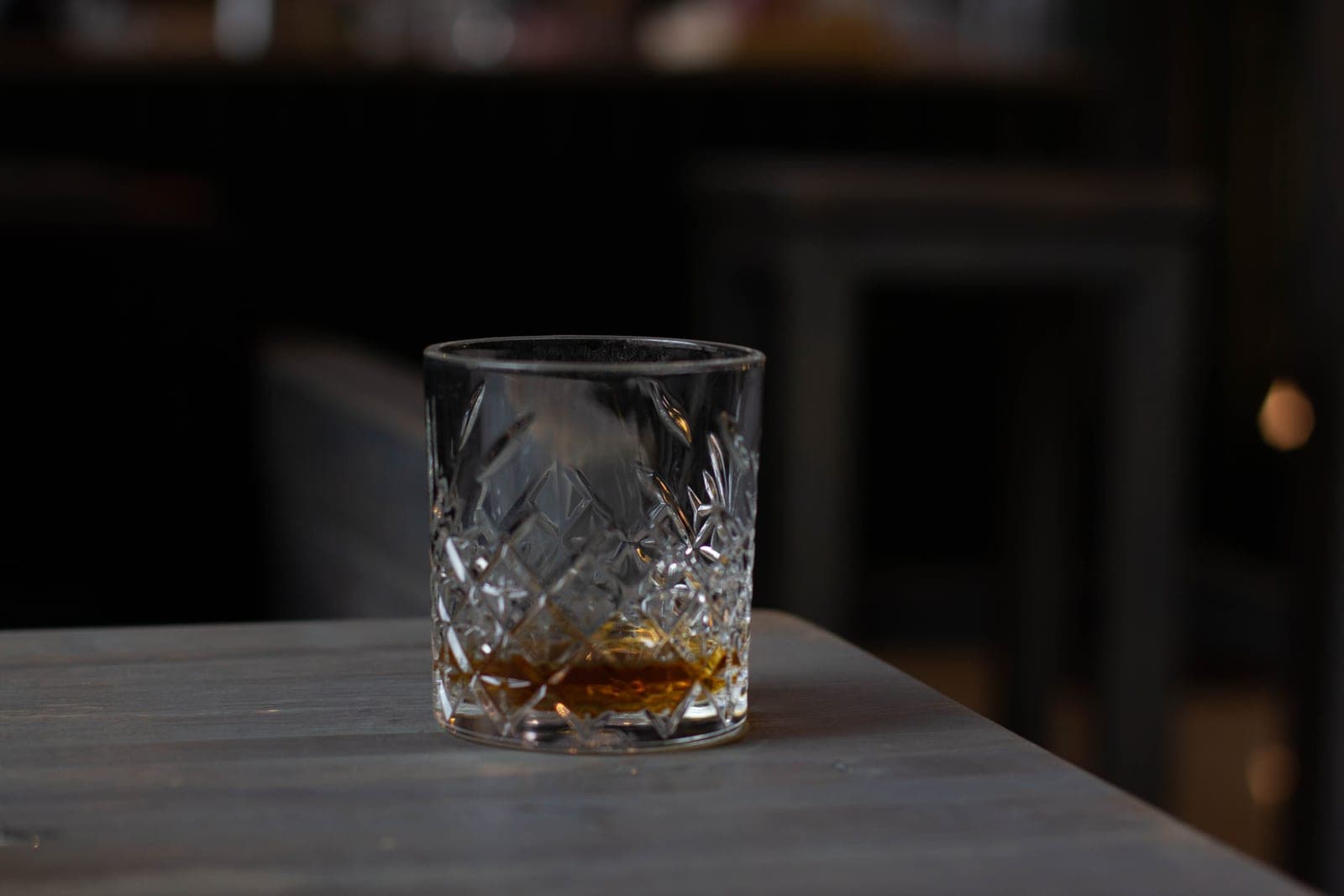
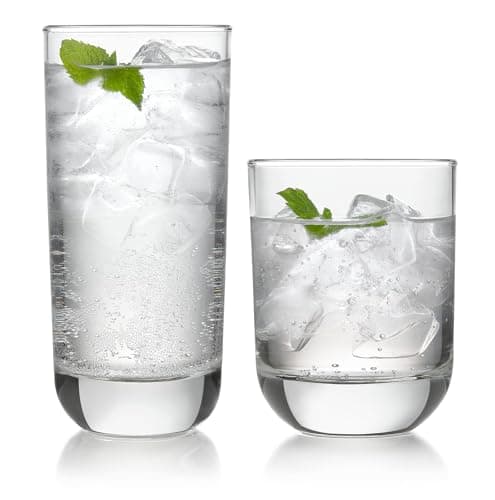
- A short heavy glass for spirits over ice — the rocks or double old fashioned glass. Old Fashioneds, negronis on ice, whiskey neat.
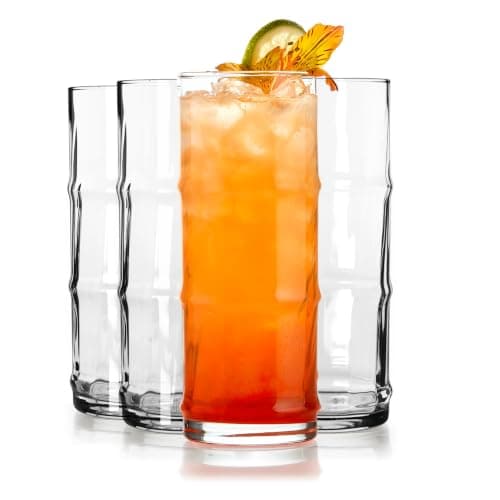
- A tall glass for long drinks — highball or Collins. Gin and tonic, mojito, paloma, anything topped with soda. They are not the same glass, though they are close.
That is it. Martini glasses, hurricane glasses, copper mules and tiki mugs are all specific to one drink, and a specific glass for a drink they may not make is the classic gift that gets used twice.
Read the capacity, not the material
The most useful number on a glassware listing is the published capacity in ounces, and almost nobody explains why. A cocktail served up is about three ounces of liquid. Put that in a 4.94 oz Nick & Nora and the glass is nearly full: it looks generous, it stays cold, and it does not spill when carried. Put the identical drink in an 11.6 oz coupe and it is a small puddle in a wide bowl — it looks mean, and the large surface warms it quickly.
Neither glass is wrong. But if you know the recipient drinks martinis one at a time on a weeknight, the smaller bowl is straightforwardly the better object, and it is usually cheaper. Every glassware page here publishes the capacity and the headroom arithmetic for exactly this reason.
How many do you actually need?
Four of each shape is the honest answer for most households, and we work through why on its own page. Two is not enough — one breaks and the set is dead. Eight is cupboard space most kitchens do not have.
This is also why sets of two, however lovely, are an awkward gift on their own. They are an upgrade for someone who already has four, not a starting point.
Glass, crystal and the thing that actually breaks
Soda-lime glass is what most tumblers and affordable stemware are made of. It is heavier, less brilliant, and considerably harder to break. Crystal is thinner, clearer and rings when tapped, and it chips.
The specification that matters more than either is how the stem is attached. On cheap stemware the bowl and stem are made separately and joined, and that joint is where glasses snap. Better sets hot-pull the stem from the same piece of glass as the bowl, and the good manufacturers publish this. It is the single best predictor of whether a set survives two years of dishwashers.
There is also a middle path: Tritan and similar titanium-reinforced crystals give you crystal clarity with published break and chip resistance. It is the reason a six-glass Tritan set can be better value than a two-glass conventional crystal one, even at a higher sticker price, and it is the argument our glass sets page works through in detail.
Tiki is the other category where the vessel is part of the drink. Tiki mugs and glasses sorts ceramic against glass on published capacity, because a drink built on crushed ice needs 16 oz before it needs a carved face.
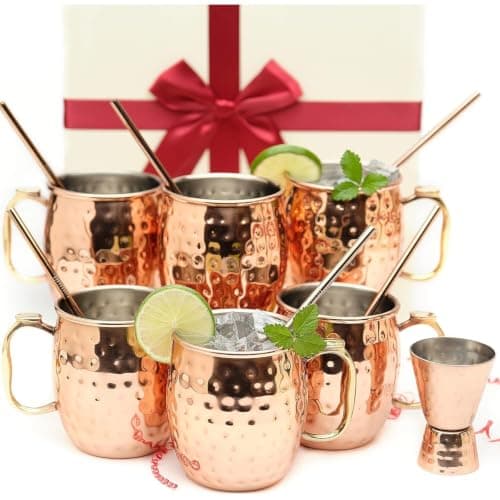
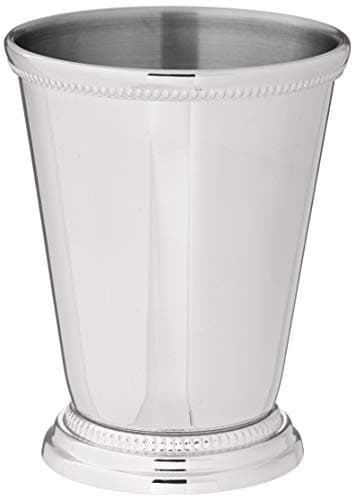
One drink brings its own vessel with it. Moscow mule copper mugs are judged here on the specification most listings leave out — what the inside is made of — because the food code restricts copper in contact with anything as acidic as a drink with lime in it. The other one is the julep: mint julep cups are metal because metal frosts, and that page sorts pewter, stainless and copper by what each maker actually publishes.
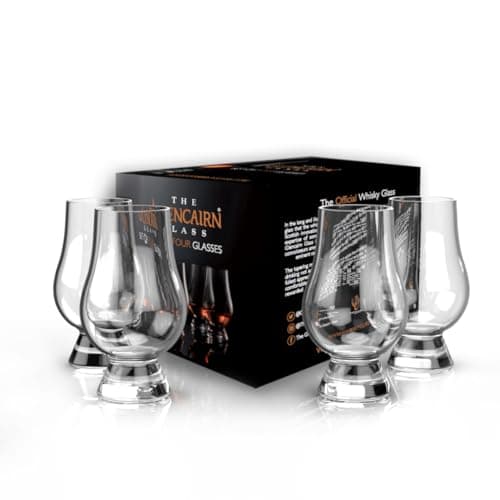
Whiskey is its own decision, because neat and on the rocks need different glasses entirely. The whiskey glasses page settles it with one question — whether a 2-inch cube has to fit — and covers the tasting glass, the everyday tumbler set and the crystal gift.
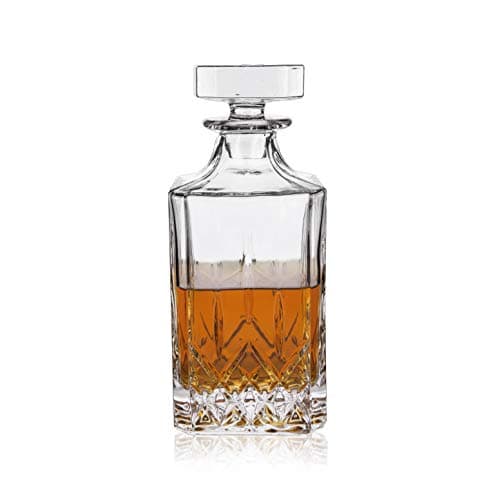
If you are not sure what they own, the shapes explained page is the place to start, and everyday rocks and highball glasses is the safest thing to buy. Three drink-specific shapes have their own pages, because the sizes genuinely differ: martini glasses (where a 10 oz bowl holds a 3 oz drink, which is why they spill), margarita glasses (where frozen and on-the-rocks need different capacities), and espresso martini glasses (where the headroom above the drink is where the foam lives). If you are deciding between the two classic stemmed shapes, coupe against martini glass is the comparison to read first. At the other end of the category, a decanter is the piece bought purely for how it looks — and the one specification that decides it is whether it holds a whole 750 ml bottle, which is 25.4 fl oz and more than some handsome decanters manage.