Most cocktail gift guides are written by people who make cocktails, for people who make cocktails. That is the wrong audience. The person actually holding the credit card usually does not own a shaker, cannot name a single cocktail ingredient beyond gin, and has one real fear: buying something expensive that gets used twice and then lives in a cupboard.
This section is written for that person. Every page defines the words before it uses them, states plainly who a pick suits, and — the part almost nobody publishes — states who should walk past it. A guide where every product is excellent is not a guide.
Start with what they already own
The single most common failure in this category is the duplicate. Cocktail gear is a small set of objects, and once someone owns a shaker they own the expensive one. Buying a second shaker — even a much nicer second shaker — is buying a thing that gets opened, admired and shelved.
So the useful question is not “what is the best cocktail gift?” but “what stage are they at?” There are broadly three, and they want completely different things:
- They own nothing. They want one object that makes a whole drink by itself — measure, shake, strain. Adding a second thing to buy is adding a reason for the first one to stay in the box. Start at gifts for cocktail lovers.
- They own a shaker and use it. They are missing the small things: a jigger with more than two markings, a proper strainer, bitters, somewhere to put it all. See gifts for bartenders and home bartenders.
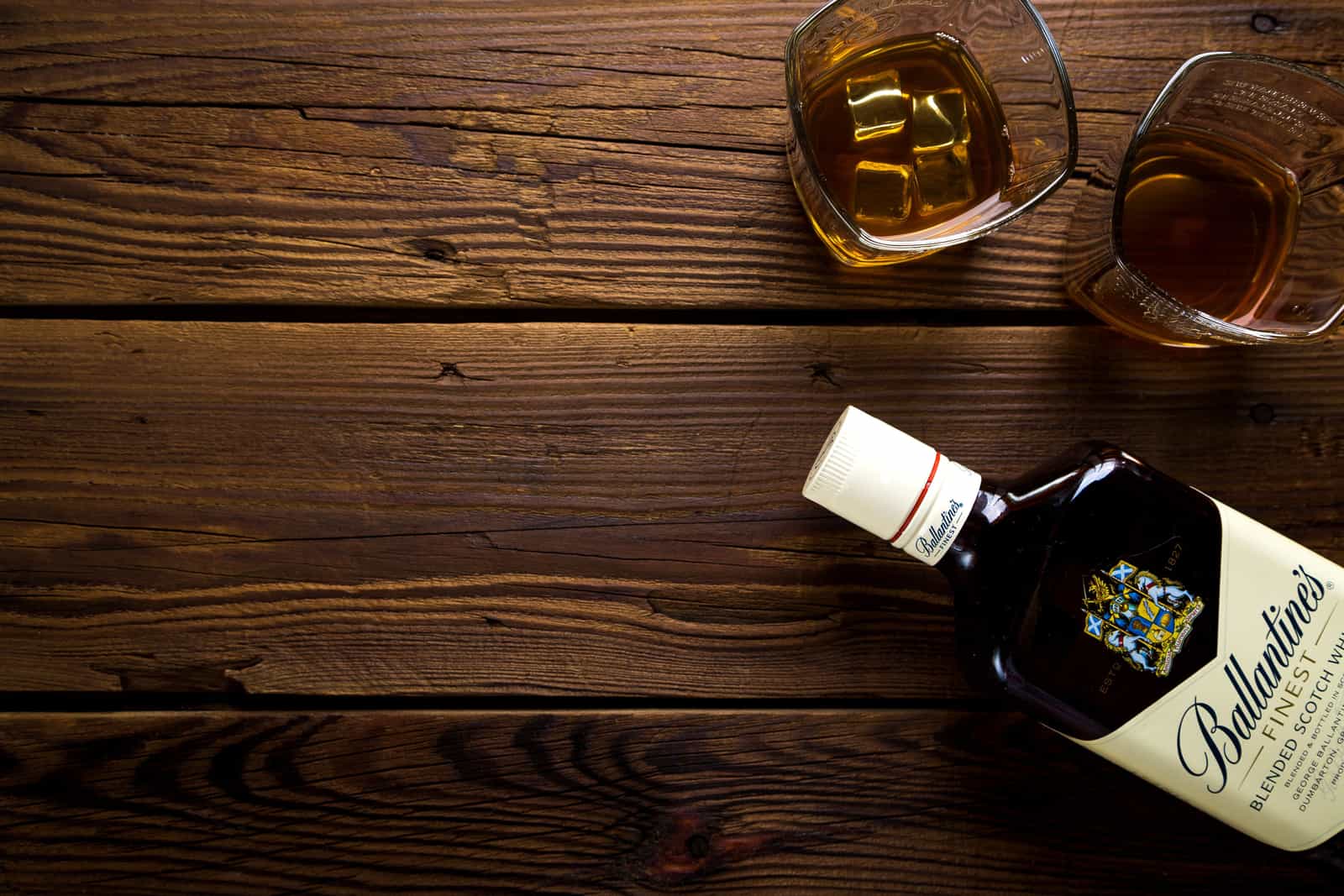
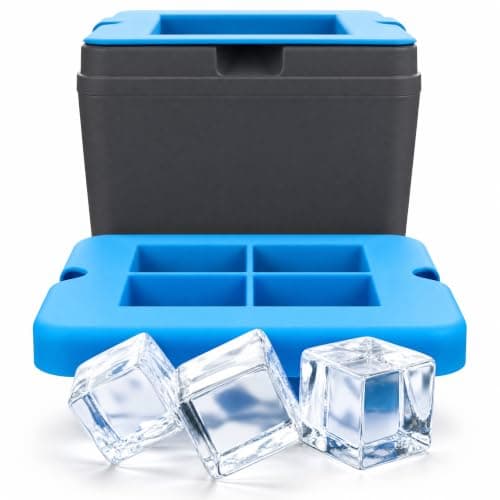
- They own everything. Now you are buying a specific enthusiasm, not a category — ice, glassware, or a drink they actually drink. The whiskey and gin pages exist for exactly this. So do tequila and margarita and Old Fashioned and Manhattan, which are two completely different shopping lists despite sounding like one.
The gifts that are always missing
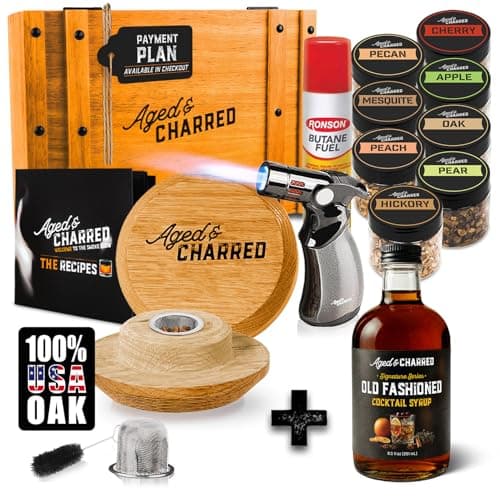
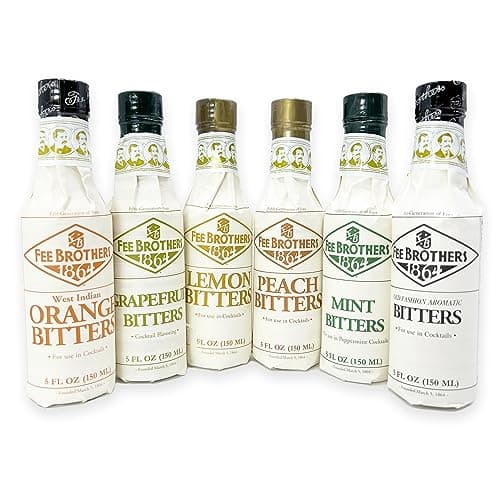
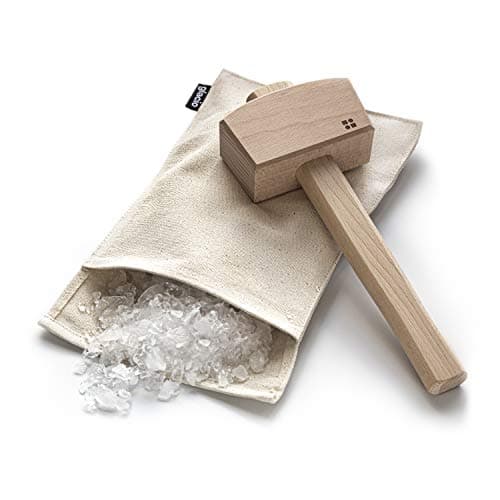
Whatever stage they are at, three things are almost never in the cupboard and all of them are cheap. The first is bitters, which is the ingredient a beginner does not know is load-bearing — a homemade Old Fashioned tastes flat because there are none in it, not because the whiskey is wrong. The bitters and syrup page covers what to buy and what a bottle actually lasts. The second is a reason to bring people together around the drink, which is what the cocktail smoker kits are for — a spectacle gift, judged on whether the butane came in the box.
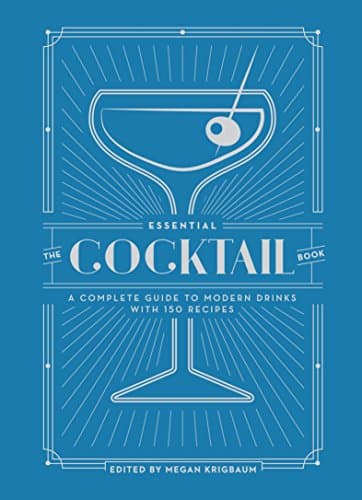
The third thing that is always missing is a reason to use any of it. A cocktail book is the cheapest way to turn a shaker into a habit — and the one number worth checking before you buy one is the published page count divided by the published recipe count. Under a page per recipe is a reference to look things up in; over two has room to teach.
One more thing changes the answer, and it is not the recipient at all: the occasion. A wedding and a birthday need opposite strategies — a wedding has thirty people shopping the same idea, so you buy the matched set nobody else will, while a birthday has one buyer who knows the person and should spend that advantage on something specific.
The vocabulary, once, so the rest of the site makes sense
Four words cover almost everything you will read on a product listing, and nobody ever explains them:
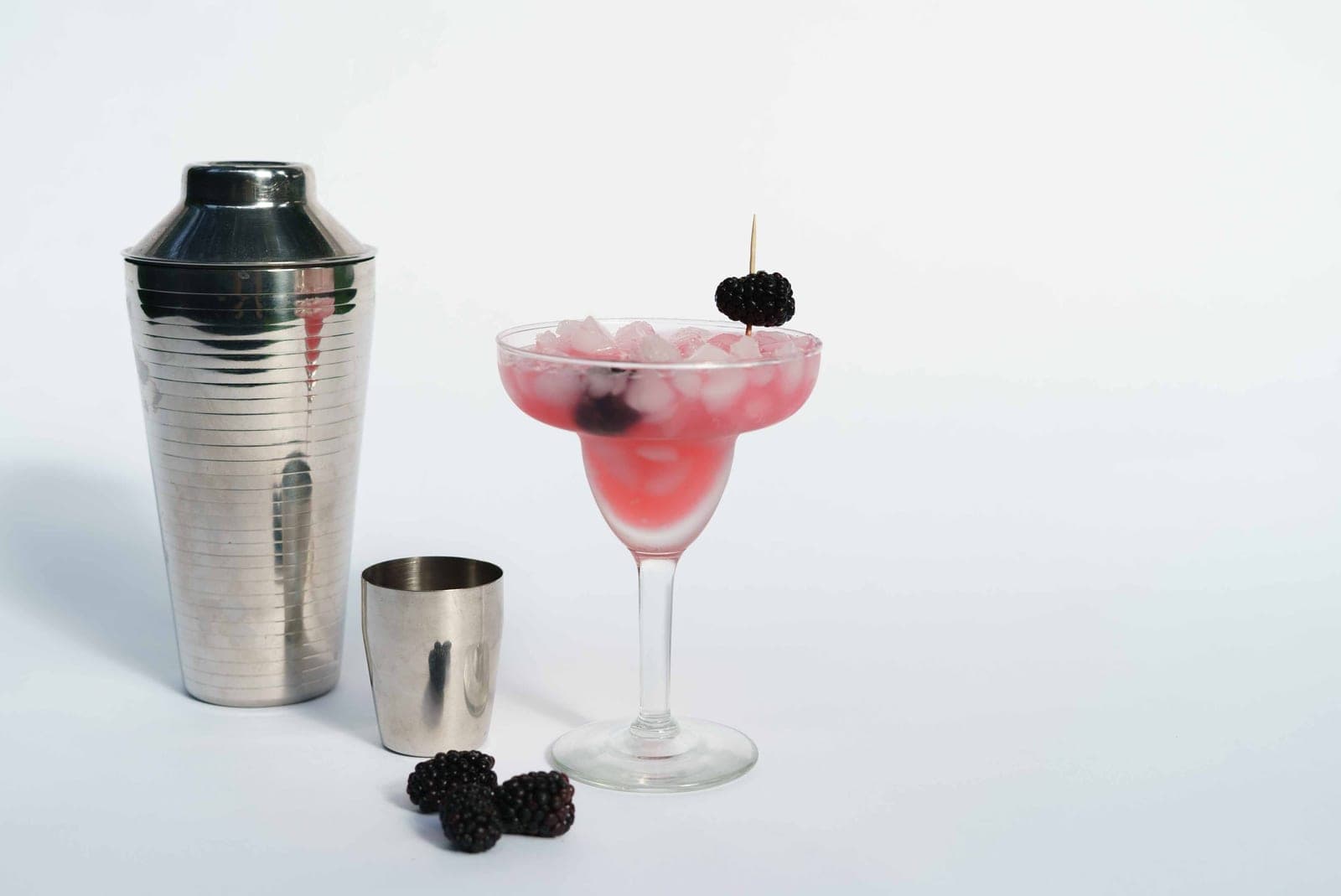
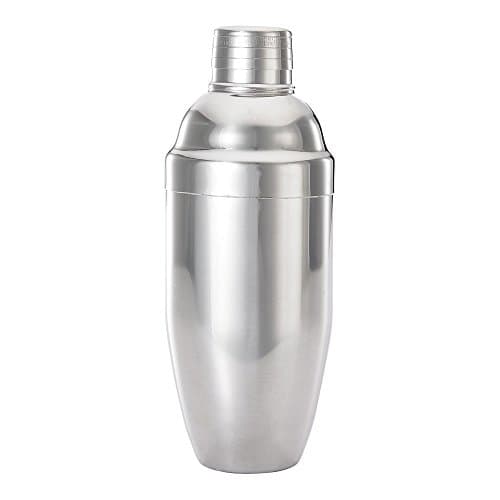
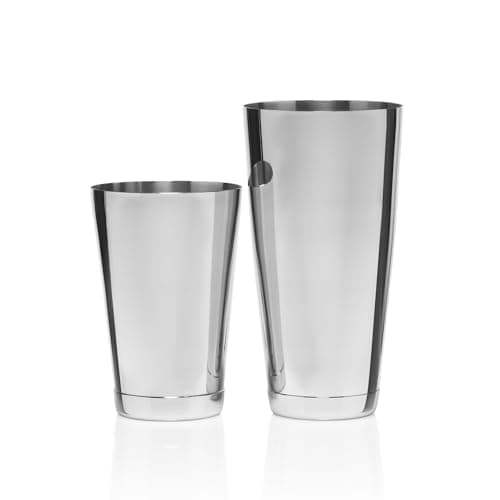
- Shaker — the metal container a drink is shaken in. A cobbler shaker is the three-part kind with a strainer built into the lid; a Boston shaker is two pieces that need a separate strainer. Which one matters more than the price does, and the difference is a whole page.
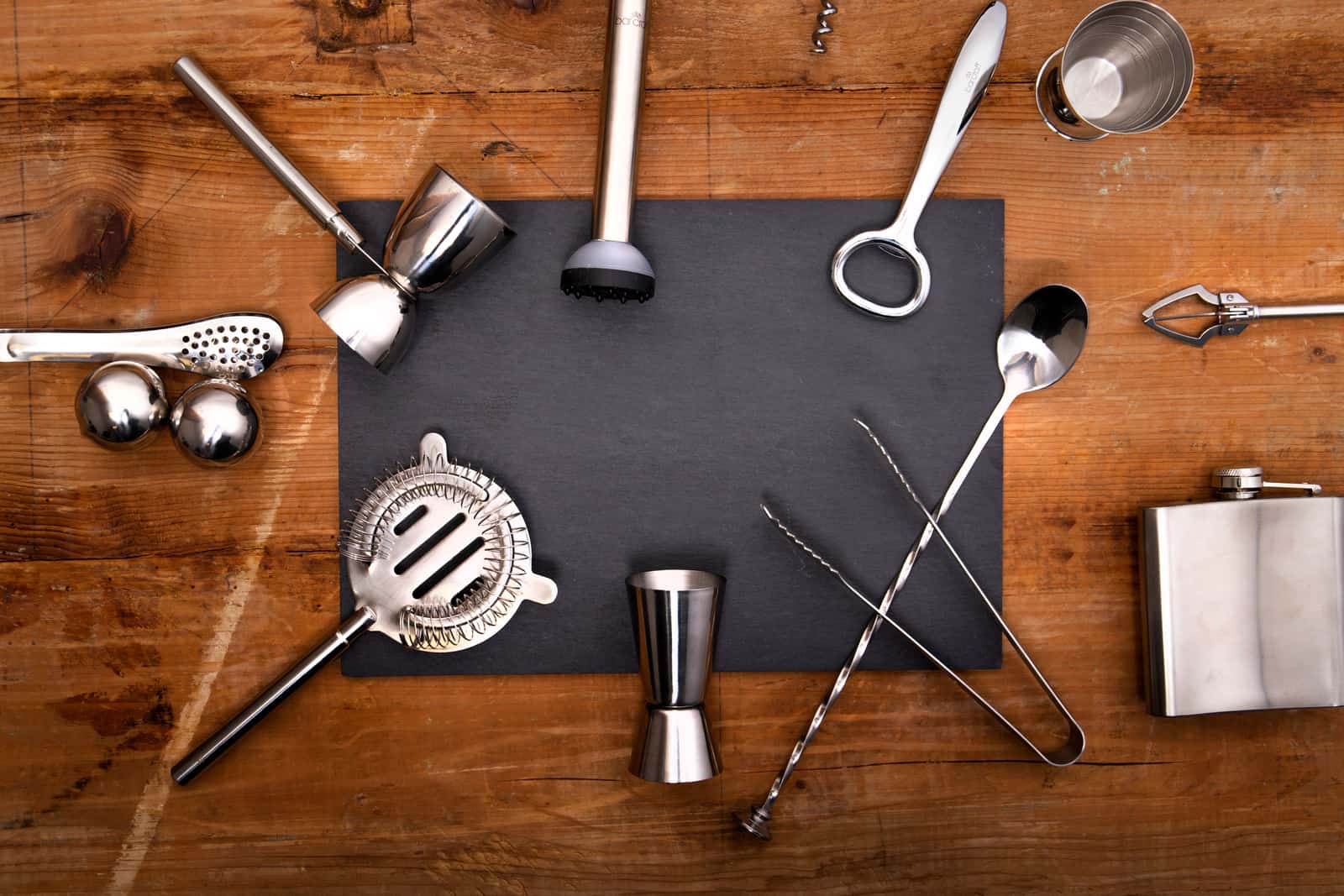
- Jigger — the little hourglass measure. Two cups joined at the waist, usually 1 oz on one end and 2 oz on the other. It is the cheapest object that reliably improves a drink.
- Hawthorne strainer — the flat disc with a spring around the edge that holds back ice while you pour.
- Bitters — concentrated flavoring added in dashes, not ounces. The reason a homemade Old Fashioned tastes flat is almost always that there are none in it.
What the price actually buys
Under $25 buys one good tool — a jigger, a strainer, a book, a bitters set. It does not buy a kit, and a “kit” at that price is a kit of things that will not last.
Between $25 and $50 is where the useful gifts live: a real shaker, a set of four glasses, a stand of tools. This is the band where the largest number of good decisions is available, which is why the under-$50 page is the busiest on this site.
Past $100 you are buying either a category upgrade (crystal instead of glass, a vacuum-insulated shaker instead of a plain tin) or a machine. Both are good gifts for the right person and expensive mistakes for the wrong one.
The piece-count trap
One number is worth learning to distrust. A “23-piece bartender kit” sounds like it contains twenty-three tools. Count the published contents list and you will usually find seven — the rest is pour spouts, spout caps, cleaning brushes, bottle stoppers, a recipe booklet and the stand. That is not fraud, it is just how the category counts, and once you know it a 14-piece kit and a 23-piece kit stop looking like different products.
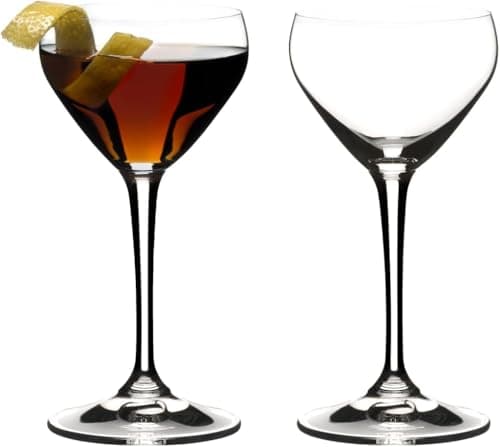
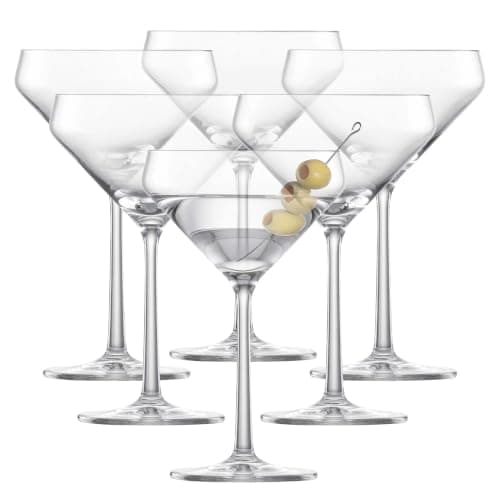
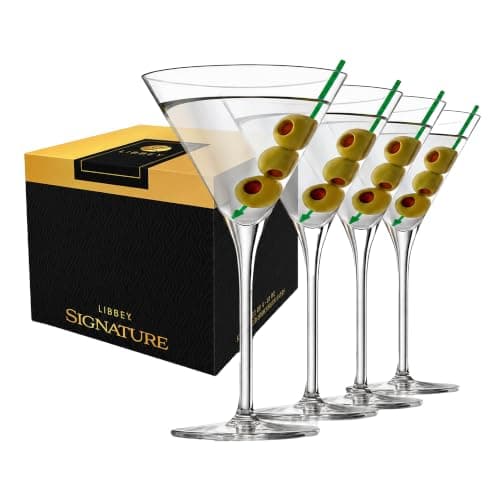
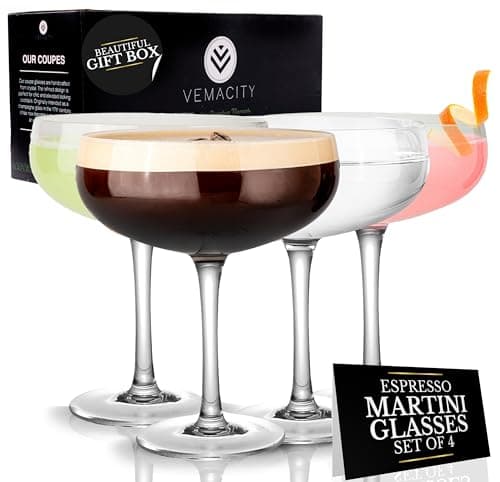
Four pages go by the drink rather than the spirit, because that is usually what you can observe about someone: martini drinkers need stirring equipment rather than another shaker, espresso martini drinkers need the glass and the strainer that protect the foam, vodka drinkers split three ways depending on what they order, and rum drinkers need crushed ice and fresh lime before they need anything else.
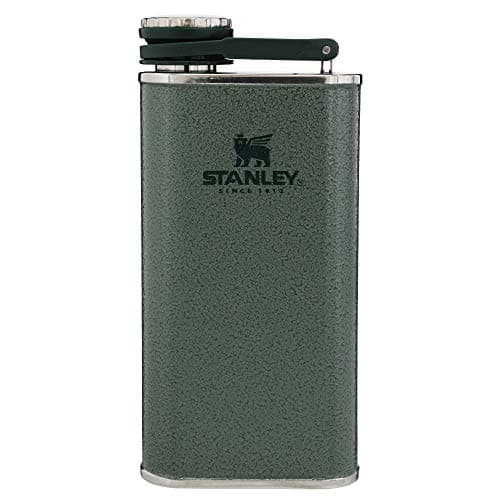
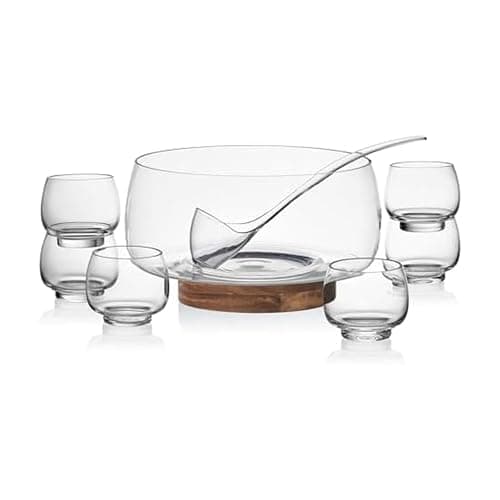
Two more gifts are objects rather than categories. Hip flasks are compared on published alloy, capacity and how the cap stays attached, which rules out most of what is sold as a gift flask; and punch bowls are judged on what is actually in the box, since three of the four we looked at arrive without a ladle.
We publish the real tool count next to the marketing count on every kit on this site. It is one of the five calculations we run on everything, and it is the fastest way to stop overpaying for spout caps.