What a home bar actually costs to start
Tools, glasses, ice and bottles. What you need on day one, and what can wait.
By Scooter M. · · How we pick
How this page is paid for: the buy buttons below are Amazon affiliate links. If you buy through one we earn a small commission, and you pay exactly the same price. Prices shown were last checked October 17, 2026. Nobody pays to appear here. Full disclosure.
Quick picks
The short answer, ranked. Tap any row to jump to the full write-up further down this page, or go straight to Amazon for the live price.
| # | Product | Best for | Price |
|---|---|---|---|
| 1 | 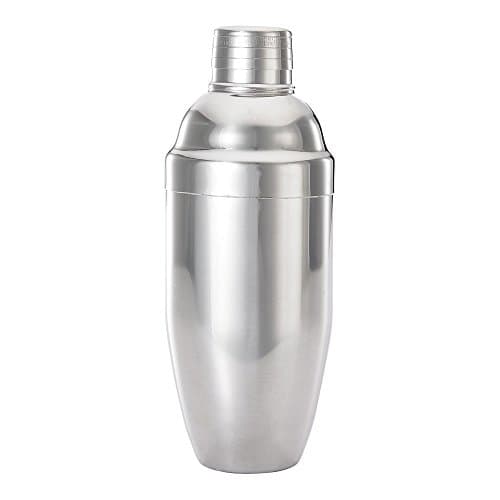 Barfly 3-Piece Japanese Style Cocktail Shaker, 24 oz (M37039) Strains by itself, so nothing else is needed to make a drink. | Day one: the shaker | $22.04 · View on Amazon #ad Checked October 17, 2026 |
| 2 | Cocktail Kingdom Leopold Jigger, 1 oz / 2 oz Six measurements. The cheapest real improvement to any drink. | Day one: the jigger | Check price on Amazon #ad Live price at Amazon |
| 3 | 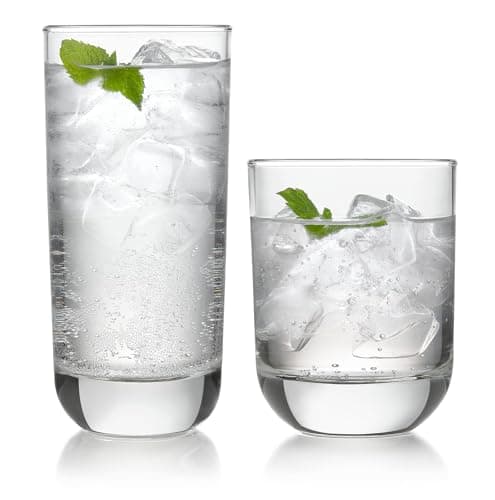 Libbey Polaris 16-Piece Tumbler and Rocks Glass Set Eight tall and eight short covers everything except drinks served up. | Day one: the glasses | $39.99 · View on Amazon #ad Checked October 17, 2026 |
| 4 | W&P Peak Everyday Ice Tray with Protective Lid Twelve large cubes with a lid. Uncovered ice tastes of the freezer. | Day one: the ice | Check price on Amazon #ad Live price at Amazon |
A working home bar needs four pieces of equipment and about five bottles:
- Equipment: a shaker, a jigger, glasses in two shapes, and a way to make decent ice
- Bottles: one or two base spirits they actually drink, vermouth, bitters, and a citrus or syrup
Everything else — muddler, tongs, mixing glass, cart, a third and fourth spirit — can wait six months without preventing a single good drink.
The equipment, in the order it matters
1. The shaker. The one non-negotiable object. Check two specifications: does it strain by itself, and how many ounces does it hold? A shaken drink takes about five to six ounces of room once ice is in, so 16 oz is a one-drink shaker and 24 oz is a two-drink one. If the household is a couple, that difference is one shake instead of two, forever.
2. The jigger. Cocktails are ratios and eyeballing an ounce is consistently out by about a quarter of one. Buy one with interior lines: four interior markings gives six measurements from one object, and 3/4 oz — which is called for constantly — is not available on a plain jigger at all.
3. Glasses. No kit includes any, at any price. Two shapes cover nearly everything: something tall for long drinks, something short and heavy for spirits over ice. Add stemware later, when they know whether they drink things served up. How many of each.
4. Ice. The most under-rated line on this list. Small hollow freezer-tray cubes melt fast and turn the last third of a drink into water, and uncovered ice picks up freezer smells within about a week. A tray with a lid solves both cheaply.
The bottles, and the mistake everyone makes
The equipment list above costs less than most people spend on the bottles in a single afternoon, which is where the real budget goes.
The mistake is buying breadth. Eight spirits used once each cost more than the entire equipment list and produce fewer good drinks than two spirits used often. A shelf of eight bottles looks like a bar and behaves like a museum.
Buy depth in what they already drink:
- One or two base spirits — whatever they actually order in a bar. Not what a list says a home bar should have.
- Vermouth — sweet or dry depending on the first spirit. It unlocks a whole family of classic drinks. Keep it in the fridge; it is wine and it goes off.
- Bitters — concentrated flavoring added in dashes rather than ounces. The reason a homemade Old Fashioned tastes flat is almost always that there are none in it. One bottle lasts years.
- Citrus or a syrup — fresh lemons and limes, and a simple syrup you can make with sugar and hot water.
Three ways to buy the equipment
| Minimum | Sensible | Complete | |
|---|---|---|---|
| Tools | A cobbler shaker only | Shaker plus a marked jigger | A kit on a stand |
| Glasses | Whatever is in the cupboard | Four of one shape | Sixteen, two shapes |
| Ice | The existing tray | A tray with a lid | A clear-ice tray |
| Can they make a drink? | Yes | Yes, and measured | Yes, and it looks right |
The important row is the last one. All three columns produce a drink, which is why the minimum column is a legitimate place to start rather than a compromise. Where the extra spending stops helping covers the rest.
What can genuinely wait
A muddler, unless they drink mojitos. Ice tongs, always. A mixing glass and bar spoon, unless they drink Manhattans or Negronis — in which case they matter a lot and belong on the day-one list instead. A bar cart, which is furniture rather than equipment. And any spirit bought for one recipe.
None of those is a bad object. They are just things to buy when a specific drink you want to make requires them, which is a much better trigger than a checklist. The printable version of this list.
The picks, in full
1. Day one: the shaker
Barfly 3-Piece Japanese Style Cocktail Shaker, 24 oz (M37039)
Barfly by Mercer Culinary · best for the gift that works straight out of the box for someone who owns nothing
A cobbler shaker — the three-part kind with the strainer built into the lid — from a company that supplies working kitchens. It strains on its own, which makes it the rare shaker that needs no second purchase.
Published specs
- Capacity
- 24 oz (700 ml)
- Pieces
- 3 — body, strainer top, cap
- Material
- 18/8 stainless steel
- Strainer
- Precision-formed and integrated into the top
- Published drink capacity
- Two drinks at once
- Care
- Dishwasher safe
The math
- Tools you still have to buy: 1 — a jigger
- The set covers shaking and straining. It does not measure. A jigger is the only thing standing between this box and a finished drink.
- Drinks per shake: 2
- 24 oz body. At roughly 5-6 oz per shaken drink with ice, two fit. Mercer publishes the same two-drink figure.
What’s good
- The strainer is part of the lid, so nothing else is needed to pour a clean drink
- The dimpled cap gives a grip a wet hand does not slide off
- 18/8 stainless and dishwasher safe, which survives a household that does not hand wash
What’s not
- Cobbler shakers can seize shut as the metal contracts around cold liquid; a firm tap on the seam frees it, but it is a real annoyance
- The built-in strainer is finer than a Hawthorne, so a drink with muddled fruit clogs it
- No jigger in the box
Skip this if
Someone who muddles — mojitos, juleps, anything with fruit pulp. The integrated strainer blocks and you end up pouring through it twice.
$23.31 — 5% off
#ad Price checked October 17, 2026. We may earn a commission at no cost to you. Disclosure.
2. Day one: the jigger
Cocktail Kingdom Leopold Jigger, 1 oz / 2 oz
Cocktail Kingdom · best for the small gift that measurably improves every drink the recipient already makes
A jigger — the little hourglass measure — with four interior lines, so one object covers 1/4, 1/2, 3/4, 1, 1 1/2 and 2 oz. It is the cheapest thing on this site that reliably makes someone's drinks better.
Published specs
- Nominal sizes
- 1 oz (30 ml) over 2 oz (60 ml)
- Interior markings
- 1/4 oz (7.5 ml), 1/2 oz (15 ml), 3/4 oz (22 ml), 1 1/2 oz (45 ml)
- Height
- 3.3"
- Material
- 18/8 stainless steel
- Care
- Hand wash only
The math
- Measurements covered by one object: 6
- Two rim capacities (1 oz, 2 oz) plus four interior lines (1/4, 1/2, 3/4, 1 1/2 oz) = 6 distinct measures from a single tool. A plain unmarked 1 oz / 2 oz jigger covers 2.
What’s good
- Six measures in one tool means almost no recipe needs a second fill or mental arithmetic
- Tall and narrow, so the liquid level is easy to read against the line
- Small enough to be a stocking gift and useful enough not to feel like one
What’s not
- Hand wash only
- The interior lines are stamped rather than painted, so they take a moment to find in low light
- It is a small metal cup — as a standalone gift the wrapping has to do some work
Skip this if
Someone whose shaker already has a marked jigger lid, like the OXO or the Elevated Craft. It is a second answer to a question already answered.
#ad We don’t print a price we can’t verify today. We may earn a commission at no cost to you. Disclosure.
3. Day one: the glasses
Libbey Polaris 16-Piece Tumbler and Rocks Glass Set
Libbey · best for furnishing an entire home bar's everyday glassware in one purchase
Eight tall and eight short, which between them cover almost every drink that is not served up. If the recipient owns no cocktail glassware, this does more work than any single set of four.
Published specs
- Set
- 8 tumblers (16.25 oz) and 8 double old fashioned glasses (12.25 oz)
- Tumbler dimensions
- 6.3" tall x 3" round
- Rocks dimensions
- 4.2" tall x 3.3" round
- Base
- Heavy 1" thick rounded base on both styles
- Material
- Lead-free glass
- Care
- Dishwasher safe
The math
- Drinks covered by the two shapes: Almost everything not served up
- The 16.25 oz tumbler covers highballs, Collinses, mojitos and anything long. The 12.25 oz double old fashioned covers Old Fashioneds, Negronis on ice, whiskey neat and everything short. Between them the only gap is stemware for drinks served up.
What’s good
- Sixteen glasses at once is the fastest way to go from no glassware to enough of it
- The 1" thick base is the reason these survive a household; thin-based tumblers chip at the foot
- Dishwasher safe and lead free, from a maker that supplies restaurants
What’s not
- No stemware at all — nothing here serves a drink up
- Heavy bases make them noticeably weighty in the hand, which some people dislike
- Sixteen glasses need cupboard space that a small kitchen may not have
Skip this if
Someone whose drink is a martini or a daiquiri. Everything they make is served up, and there is not a stem in the box.
#ad Price checked October 17, 2026. We may earn a commission at no cost to you. Disclosure.
4. Day one: the ice
W&P Peak Everyday Ice Tray with Protective Lid
W&P · best for the everyday tray that replaces the cracked plastic one in every freezer
Twelve 1.25" cubes with a lid that keeps freezer smell out. It is not clear ice and does not claim to be — it is the tray a household actually uses every day, done properly.
Published specs
- Yield
- 12 cubes at 1 1/4"
- Lid
- Silicone cover that rests on the tray; peels off, stacks
- Material
- High-grade silicone, LFGB compliant, BPA and lead free
- Rim
- Silicone-wrapped steel interior rim for rigidity
- Release
- Individually molded compartments — pop out one cube at a time
- Care
- Dishwasher safe
The math
- Cubes per drink: 3-4
- A short drink over ice takes 3-4 cubes at 1.25". One tray of 12 is roughly three drinks, which is why a household needs two trays and not one.
What’s good
- The lid is the actual feature — uncovered ice tastes of whatever else is in the freezer within a week
- The steel rim means you can carry a full tray to the freezer without it folding
- Individually molded cells release one cube without cracking the whole tray
What’s not
- Cloudy ice — this is a tray, not a clear-ice system
- 1 1/4" cubes melt faster than a 2" cube, so a slow drink ends up watery
- Silicone holds odor if it is not washed occasionally
Skip this if
Someone who specifically wants bar-quality clear ice. This makes very good ordinary ice, which is a different product.
#ad We don’t print a price we can’t verify today. We may earn a commission at no cost to you. Disclosure.
Questions people ask
What do you need to start a home bar?
Is a bartender kit enough to start a home bar?
How many bottles do you need for a home bar?
What can wait when starting a home bar?
What is the single biggest waste when starting out?
Where these numbers come from
Every specification on this page is a figure the manufacturer or retailer publishes. We have not measured any of it ourselves, and every calculation shows its working so you can redo it.