This is the category where the most money gets wasted, and it is wasted in a very specific way: on piece count. A kit advertising twenty-three pieces feels like three times the gift of one advertising eight. Count the published contents lists and both usually resolve to the same seven tools.
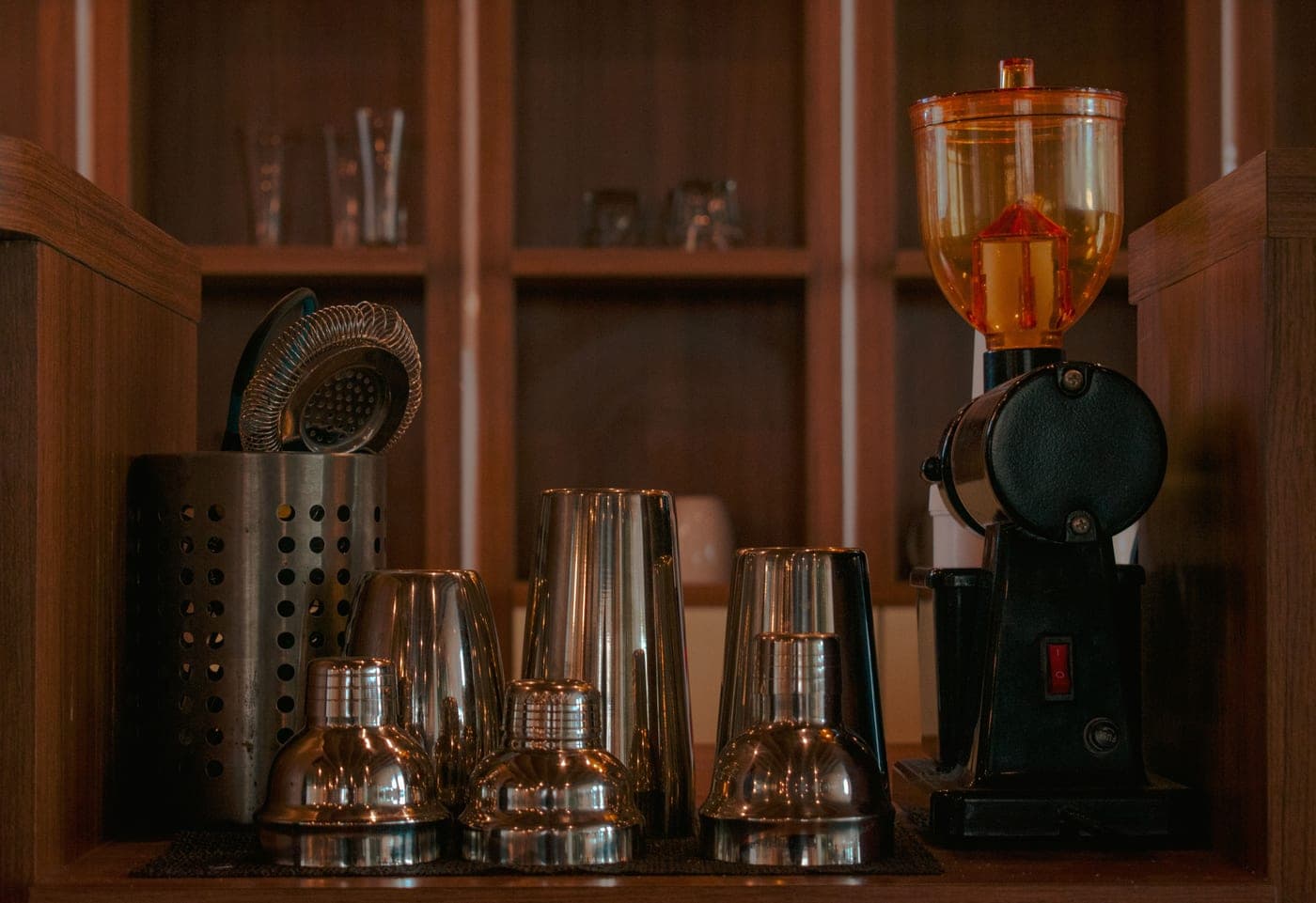
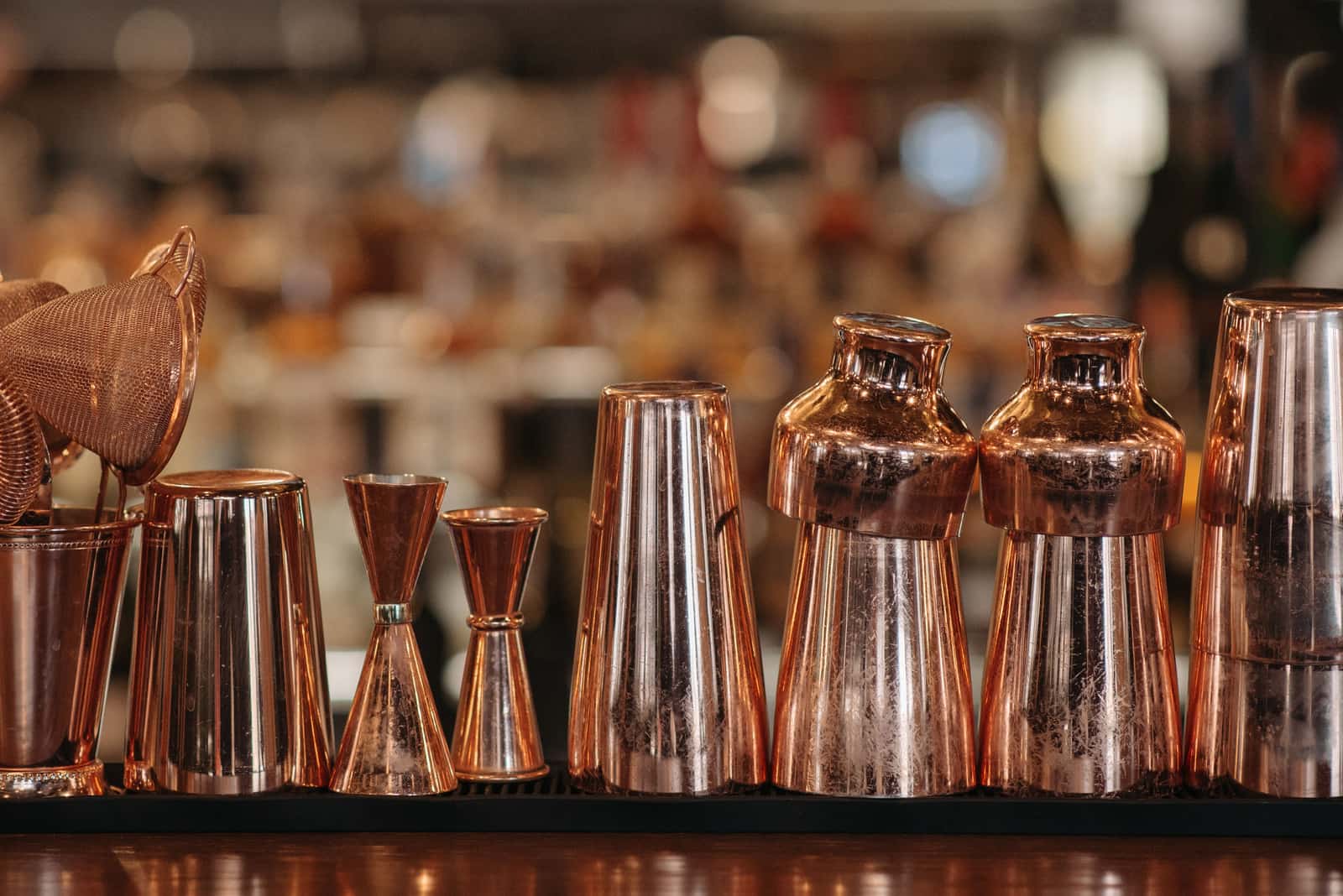
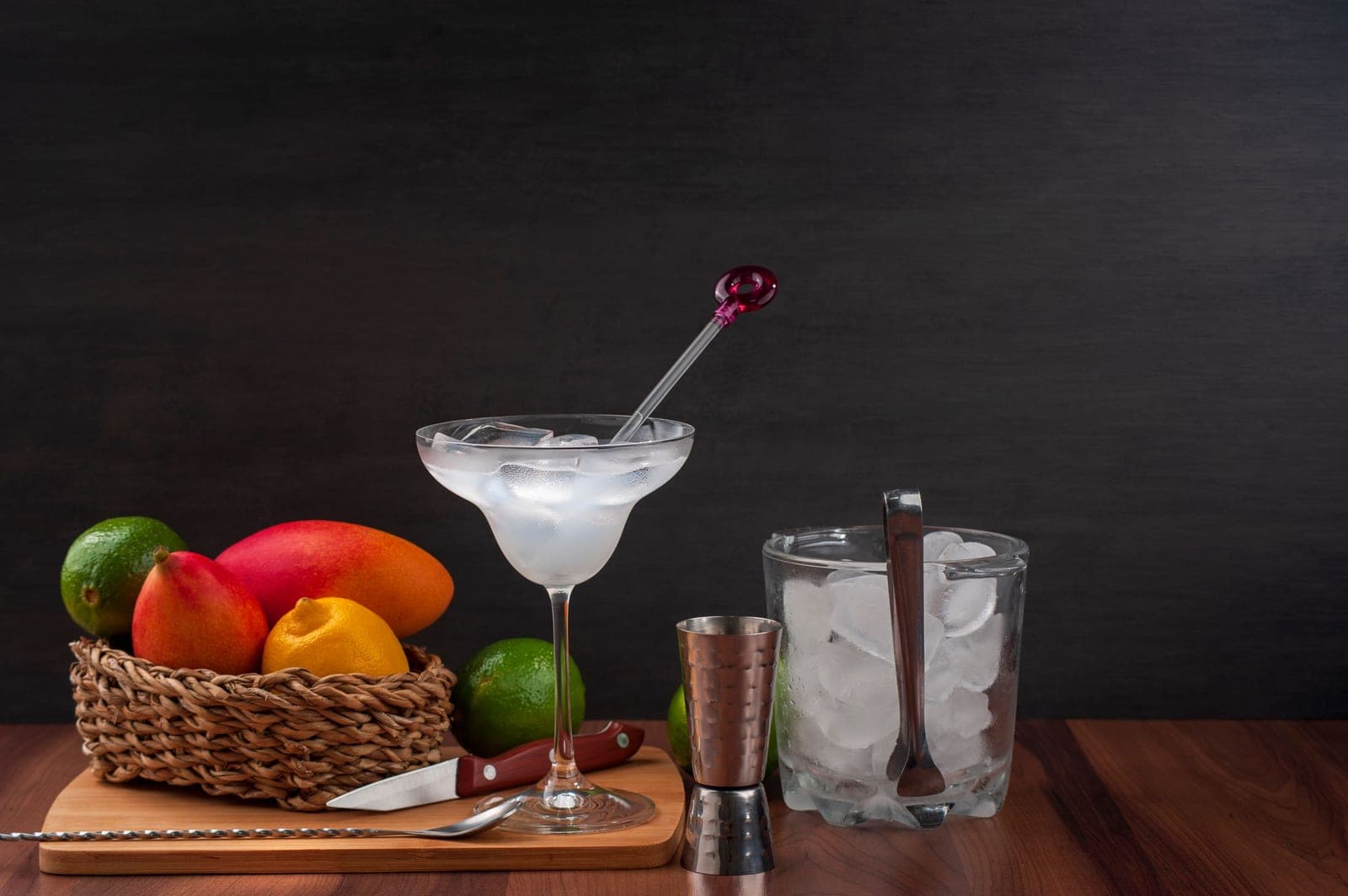
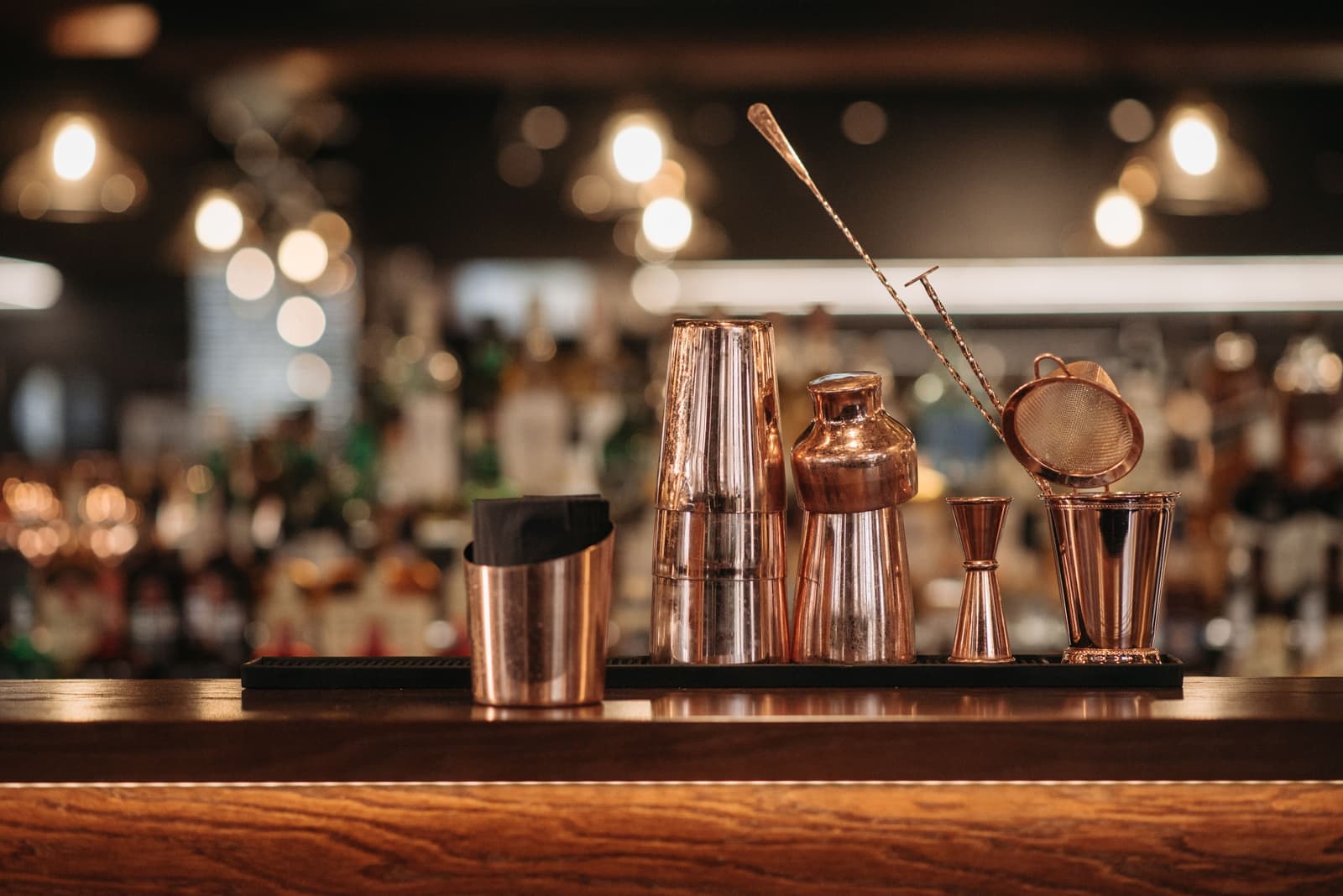
So before anything else, here is the honest inventory. A home bar needs four objects to make essentially every shaken drink, and a fifth for stirred ones.
The five things that matter
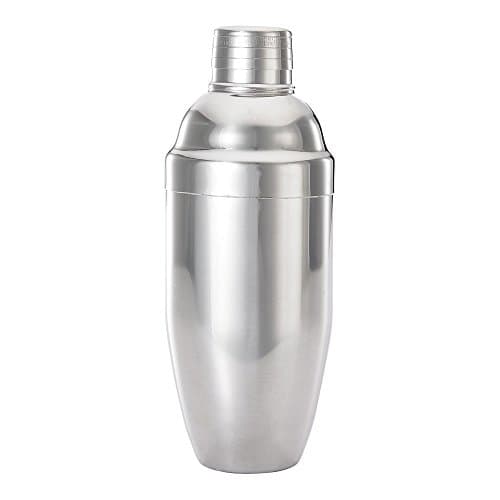
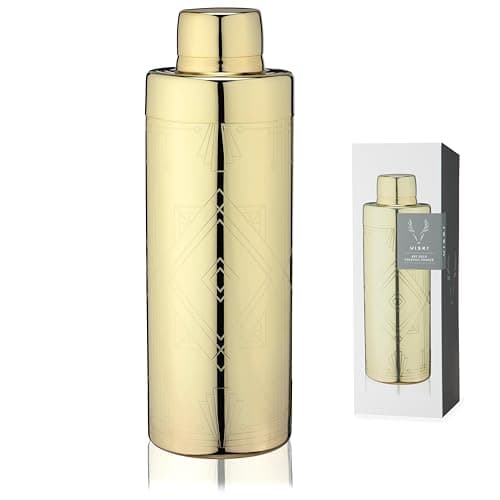
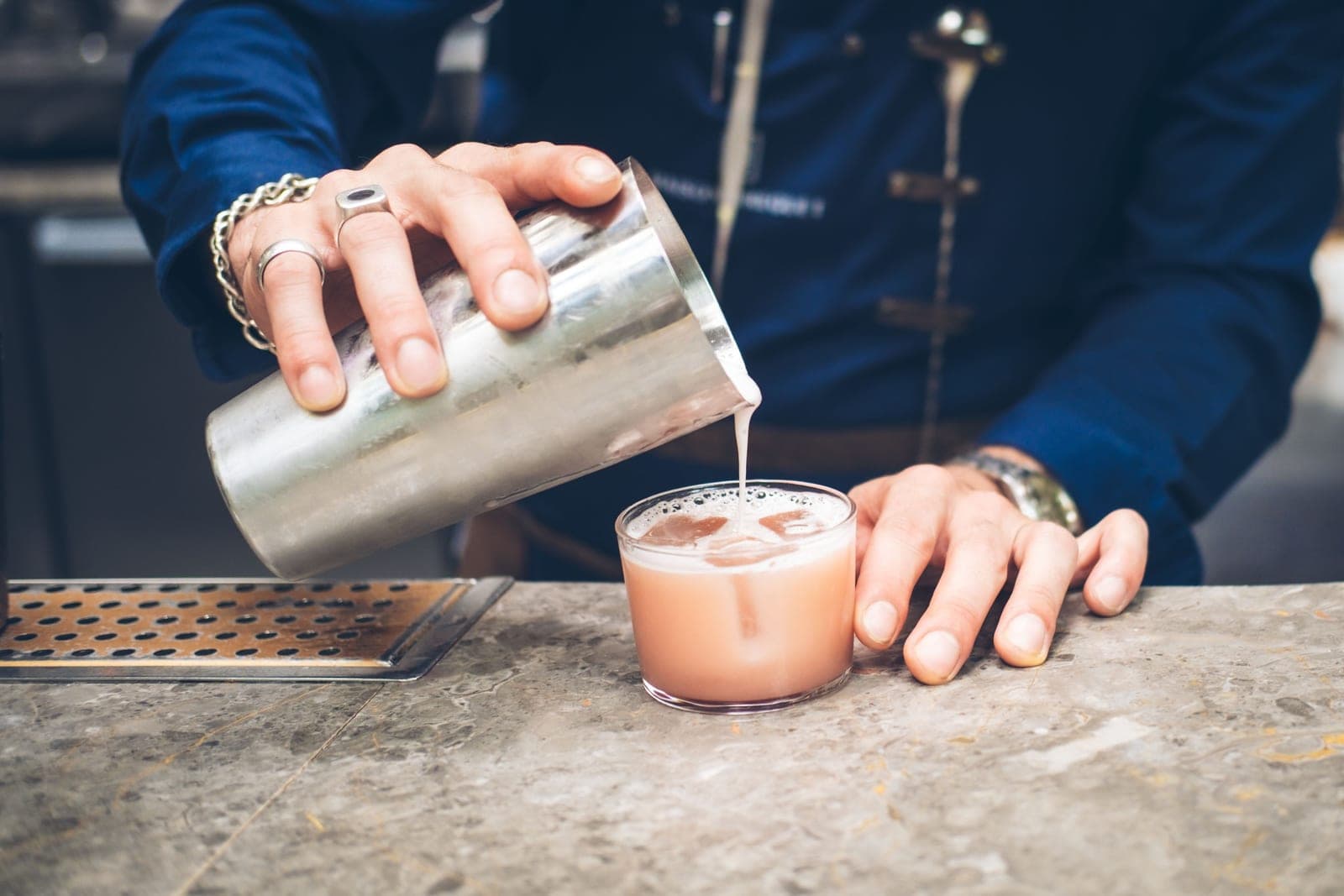
- A shaker. The metal container the drink is shaken in. Comes in three forms and the choice between them is the real decision — a cobbler strains by itself, a Boston does not.
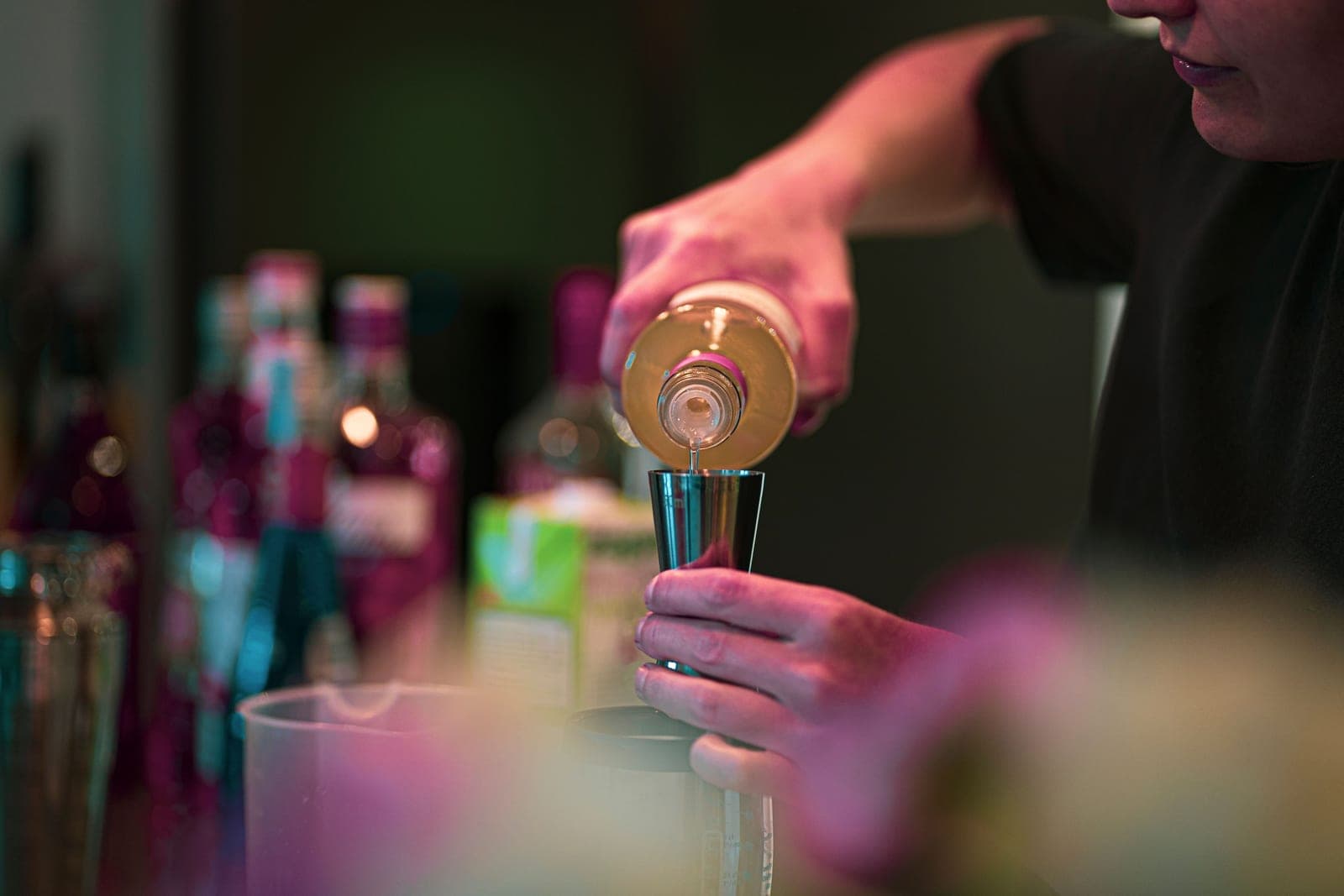
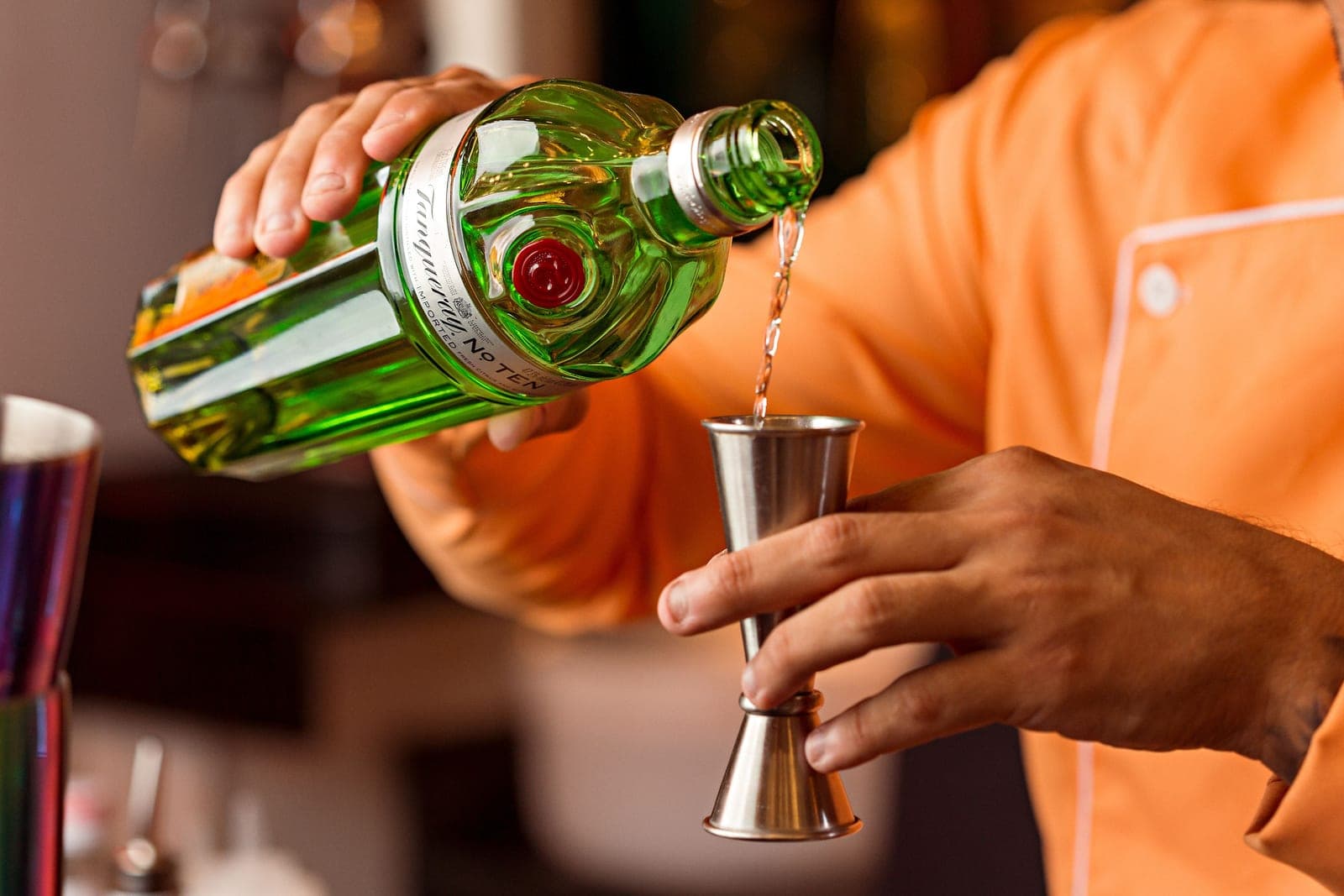
- A jigger. The little hourglass measure. Measuring rather than eyeballing is the largest single improvement available to a home drink-maker, and it costs almost nothing. The styles differ more than you would think.
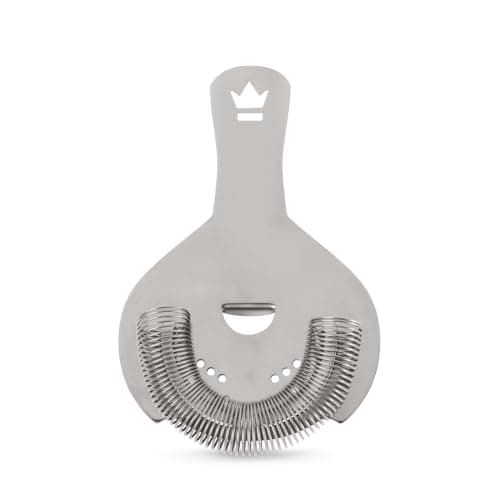
- A Hawthorne strainer. The flat disc with a spring around the rim. If the shaker does not strain by itself, this is not optional.
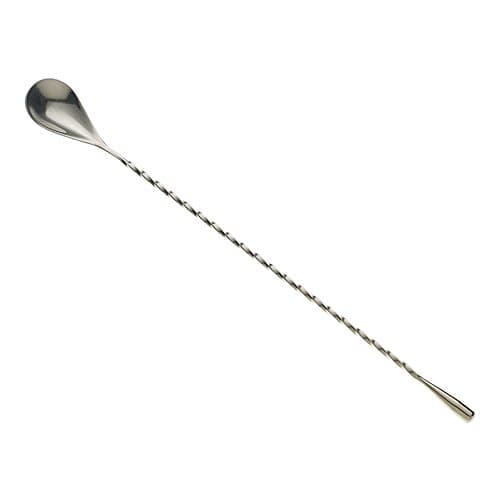
- A bar spoon. Long, twisted stem. Only needed for stirred drinks — Manhattans, Negronis, martinis.
- A mixing glass. Also only for stirred drinks. A shaker over-dilutes and clouds anything that should be clear and silky.
That is the list. Muddlers, tongs, pour spouts, channel knives and citrus zesters are all real tools with real uses, and none of them is in the way of making a good drink tonight.
Kit or pieces?
A kit’s honest advantage is that it arrives complete, on a stand, looking like a present. That matters: tools that live on a counter get picked up, and tools in a drawer do not. If the gift has to be unwrapped in front of people, a kit is the right answer and our kit page compares real tool counts across the ones worth considering.
A kit’s honest disadvantage is that the shaker inside it is usually the cheapest component, and the shaker is the thing that gets used every time. If the recipient will actually make drinks weekly, three good pieces bought separately outlast a fourteen-piece stand. Our page on boxed sets versus building your own works through the trade properly.
The specs that decide it
Three published numbers separate a good shaker from a mediocre one, and all three appear on every product page here:
- Capacity in ounces. A shaken drink occupies roughly five to six ounces once there is ice in it. A 16 oz shaker makes one drink; a 24 oz shaker makes two. If the household is a couple, that number is the difference between one shake and two every single time.
- Steel grade. 18/8 stainless is the standard, and reputable makers publish it. A listing that will not say what its steel is has told you something.
- Whether it strains. Built-in strainer or not. This is the single most consequential specification for a beginner, because a shaker that does not strain is not a complete gift.
What we do not publish
No star ratings, no review counts, no “we tested twelve shakers over six months.” We have not tested any of these, and we say so on its own page. What we do instead is read the manufacturer’s published specifications, count what is genuinely in the box, do the arithmetic, and show the working so you can check it. Every number on every page here traces back to a source you can click.
If you are starting from nothing, the two pages to read are what comes in a bartender kit and then the shaker sets themselves. If you already own a shaker and want to spend well, go straight to jiggers.
Beyond the shaker and the jigger, three small categories do more for a drink than their prices suggest. Strainers come in three types that look alike and are not interchangeable — the Hawthorne for shaken drinks, the julep for stirred, and a fine mesh held underneath for anything with citrus in it. Spoons and muddlers arrive bundled together and are used by two different people, which is why one of them usually never leaves the drawer. And a mixing glass is the tool a stirred-drinks drinker needs and a shaker owner does not — sized by how many drinks get made at once, not by how it looks.
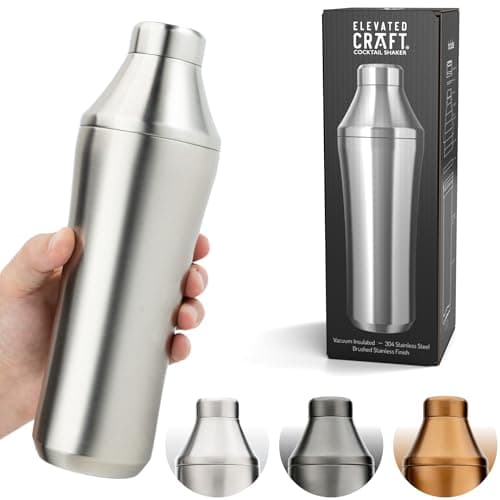
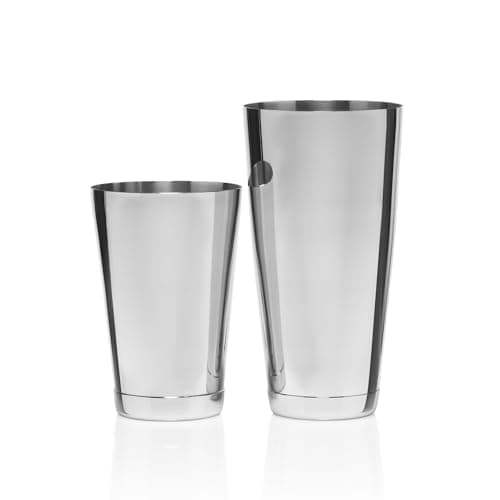
Two tools get reviews of their own. The Elevated Craft Hybrid shaker measures, shakes and strains in a single object, with a jigger marked from a quarter ounce to six ounces built into the cap. It is the cleanest one-object answer on this site, and the page is equally clear about who should skip it. At the other end of the line, the Cocktail Kingdom Koriko weighted shaking tins do the least and last the longest: two stainless tins, 18 oz and 28 oz, with nothing to wear out and no strainer, so the review counts the two tools they need before they can make a drink.
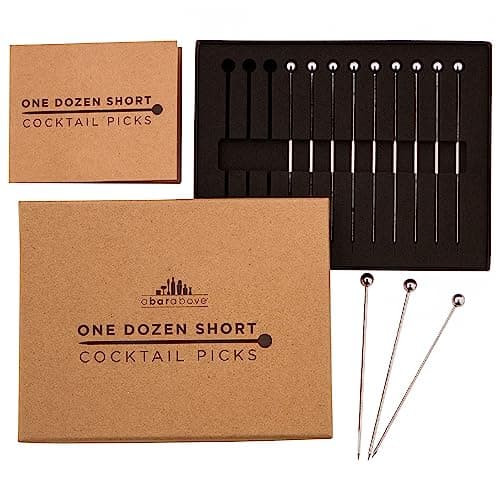
The smallest tools have specifications too. Cocktail picks and skewers are judged on published length — the one number that decides whether a garnish sits at the surface or sinks — which most sellers never print.
Finish is its own decision, and gold bar tools and shakers is the page for it: every gold piece worth buying is stainless steel with plating over the top, which is why all four makers there say hand wash. Buy the finish on tools that are good underneath, or skip it.
And if you are reading this because a recipe says shake and there is no shaker in the house, what to use instead of a cocktail shaker is the page to start with. A sealed jar does one of the three jobs a shaker does — and if the drink has no citrus, juice, egg or cream in it, it should be stirred anyway.