What to use instead of a cocktail shaker
A shaker does three jobs. Most stand-ins do one. Work out which one your drink actually needs.
By Scooter M. · · How we pick
How this page is paid for: the buy buttons below are Amazon affiliate links. If you buy through one we earn a small commission, and you pay exactly the same price. Prices shown were last checked September 17, 2026. Nobody pays to appear here. Full disclosure.
Quick picks
The short answer, ranked. Tap any row to jump to the full write-up further down this page, or go straight to Amazon for the live price.
| # | Product | Best for | Price |
|---|---|---|---|
| 1 | 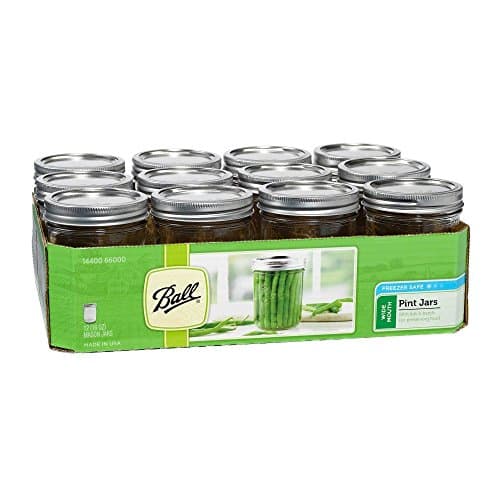 Ball Wide Mouth Pint Mason Jars, 16 oz, 12-Count A wide-mouth pint with a screw band. It seals, which is the job a stand-in cannot skip. | Best stand-in tonight | $14.47 · View on Amazon #ad Checked September 17, 2026 |
| 2 | 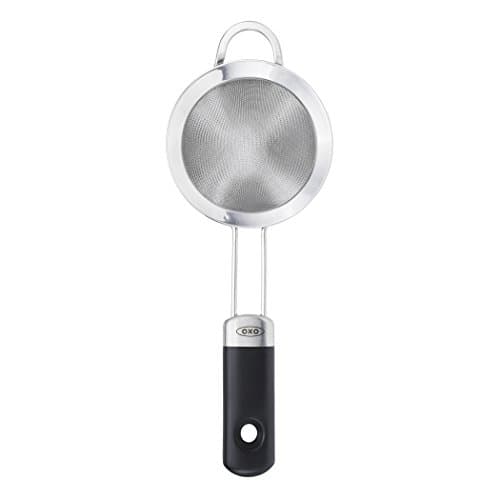 OXO Steel Fine Mesh Cocktail Strainer Held over the glass, it strains any vessel - no need to fit the mouth of the jar. | The piece a jar is missing | $14.99 · View on Amazon #ad Checked September 17, 2026 |
| 3 | 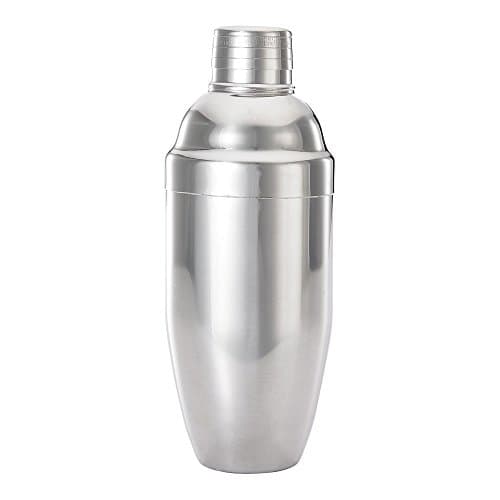 Barfly 3-Piece Japanese Style Cocktail Shaker, 24 oz (M37039) 24 oz, three pieces, strainer in the lid. Fixes both problems a jar has at once. | Best first shaker | $24.42 · View on Amazon #ad Checked September 17, 2026 |
| 4 | 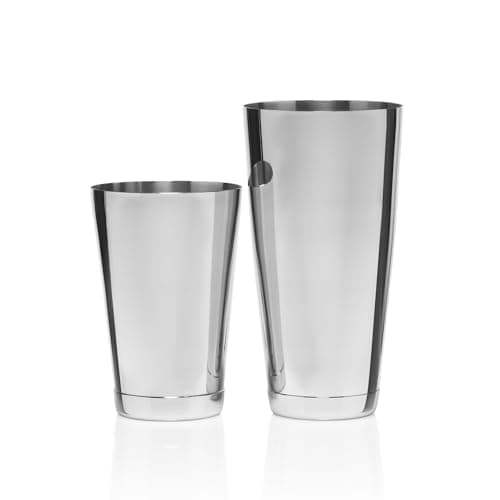 Cocktail Kingdom Koriko Weighted Shaking Tin Set Two weighted steel tins, nothing to wear out. Needs a separate strainer. | If you will keep going | $26.98 · View on Amazon #ad Checked September 17, 2026 |
You have a recipe that says shake, a set of ingredients on the counter, and no shaker. The good news is that you almost certainly own something that will work. The more useful news is that you might not need one at all.
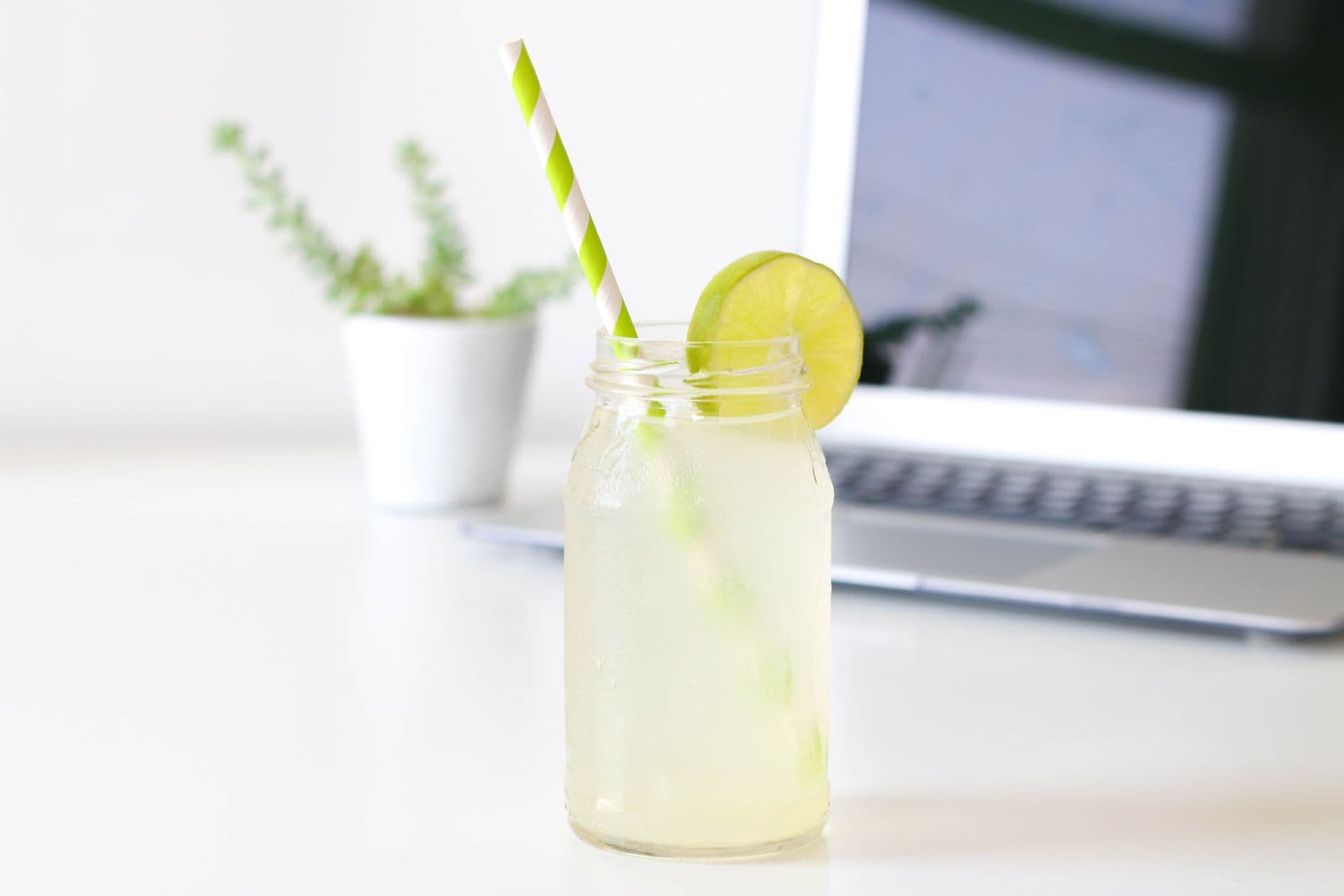
A shaker does three jobs: it seals, it chills fast, and it lets you strain. A wide-mouth jar with a screw band does the first job properly, the second job less well because glass insulates where steel conducts, and the third not at all. That is enough to make a real shaken drink tonight. And if the drink has no citrus, juice, egg or cream in it, it should be stirred — so you never needed a shaker for it in the first place.
Check first: does this drink even get shaken?
Before improvising anything, look at the ingredient list. The working convention behind most cocktail recipes is simple, and it removes half of these situations outright.
- Shake anything with citrus, juice, egg white, cream or dairy. Those ingredients need to be aerated and fully combined, and only a hard shake does that.
- Stir anything made only of spirits, vermouth, bitters and sugar — a Manhattan, a Martini, a Negroni, an Old Fashioned. Shaking those clouds and over-dilutes them.
If your drink is on the second list, put it in any glass with ice, stir with a long spoon for about twenty to thirty seconds, and pour it off the ice. No shaker, no stand-in, no problem. A mixing glass is the tool that job is built around, and it is a different purchase entirely.
The criteria for a stand-in
If the drink genuinely needs shaking, judge whatever you are about to use on the same three jobs a real shaker does. In order of how badly things go wrong when they are missing:
It seals without your hand holding it
The non-negotiable one. A hard shake breaks any seal that depends on grip, and the failure mode is a drink on the ceiling. A screw lid passes; two stacked glasses do not.
It has room for ice to move
A shaken drink occupies roughly 5-6 oz once ice is in, and the ice needs empty space around it to chill and dilute. A container filled to the top cannot shake anything.
Metal or glass
Steel conducts, so a tin gets cold fast and frosts over when the drink is ready. Glass insulates - it chills more slowly and never gives you that visual cue.
You can strain out of it
A real shaker has a strainer built in or sold alongside. A jar has none, which means ice shards and pulp come out with the drink unless you plan for it.
What works, and what does not
Here is the usual list of household stand-ins, judged against those criteria. These are the physical properties of each container, not results we measured.
| Seals on its own? | Chills fast? | Strains? | Verdict | |
|---|---|---|---|---|
| Wide-mouth mason jar with band | Yes | Slower — glass | No | The best stand-in |
| Sealing travel mug or shaker bottle | Usually | Depends on material | Sometimes | Works if the lid truly locks |
| Food container with a snap lid | Rarely under a hard shake | Slower — plastic | No | Risky |
| Two glasses rim to rim | No — held by hand | Slower — glass | No | Do not |
| Glass with a saucer on top | No — held by hand | Slower — glass | No | Do not |
The pattern is that the seal decides everything and the rest is compromise. A jar wins because a screw band holds itself shut, and that is the only property here that stops a hard shake from ending badly. The two-glasses trick is a bartending technique that only works with a steel tin over a glass, where the metal contracts as it chills and grips; two glasses have no such grip and nothing to hold them together but your hand.
Shaking in a jar, properly
If a jar is what you have, a few details make the difference between a good drink and a mess.
- Make one drink at a time. A 16 oz pint jar has room for one shaken drink. Two would fill it, and the ice would have nowhere to move.
- Fill it about halfway with ice, add the ingredients, and screw the band down fully before you shake — a band that is not fully tightened is where jars leak.
- Shake hard, and count. Without a steel tin you lose the frost that tells you the drink is cold, so time it instead of judging by feel.
- Hold something over the glass as you pour. A fine mesh strainer catches ice and pulp from any vessel. Without one, crack the lid slightly against the rim and let the liquid past — which stops ice, but nothing smaller.
That last point is the single biggest quality gap between a jar drink and a shaker drink. A jar has no strainer, and a drink poured straight out of one carries shards and pulp. The strainer types are explained on their own page, and the fine mesh cone is the one that works with anything, because it does not have to fit the container.
When to stop improvising
A jar is a perfectly good answer to one evening. It stops being a good answer the moment you reach for it a second time, because by then you are choosing a workaround instead of solving the problem.
The threshold is lower than most people think. A basic three-piece shaker — the kind with a strainer built into the lid — solves both of the jar’s problems at once: it seals, and it strains, and because it is steel it chills fast and frosts over when the drink is ready. The three shaker styles differ in how much they ask of you, and using one well takes about ten minutes to learn.
Which one to buy
Tonight, use a jar. If you do not have a wide-mouth pint in the cupboard, the Ball wide-mouth pint is the cheapest legitimate answer on this site — with the honest caveat that Ball sells it as twelve, so you are stocking a pantry to shake in one. Add the OXO fine mesh strainer if you want the drink to come out clean.
If you will do this again, buy the Barfly three-piece. Twenty-four ounces, two drinks at a time, and the strainer is in the lid, so it arrives complete. It fixes every shortfall the jar has in a single object.
If you already know you are going to keep making drinks, buy the Koriko weighted tins instead. They are what working bartenders use, and there is nothing in them to wear out — but they need a separate strainer, so they are the second shaker for most people rather than the first. The shaker sets page compares both properly.
The picks, in full
1. Best stand-in tonight
Ball Wide Mouth Pint Mason Jars, 16 oz, 12-Count
Ball · best for making a shaken drink tonight when there is no shaker in the house
Not a cocktail shaker, and honest about it. A wide-mouth pint with a screw band is the stand-in that actually seals, which is the one job an improvised shaker cannot skip — and at a canning-aisle price it is the cheapest legitimate answer on this site.
Published specs
- Capacity
- 16 oz per jar
- Mouth
- Wide mouth
- Pack
- 12 jars with lids and bands
- Material
- Glass; BPA-free
- Origin
- Made in USA
- Pack weight
- About 5.6 lb
The math
- Shaken drinks per jar: 1
- 16 oz of capacity. A shaken drink occupies roughly 5-6 oz once ice is in, and the ice needs empty space to move or it cannot chill and dilute the drink. One drink leaves that room; two would fill the jar and leave the ice nowhere to go.
- Jars used against jars bought: 1 of 12
- Ball sells this pint as a 12-count. If the house has no jar at all, you are buying eleven for the pantry to shake in one — which is still less than a cheap shaker costs, and exactly why we say so up front.
What’s good
- A screw band genuinely seals, which is the part two stacked glasses or a cup and a saucer cannot do
- Wide mouth takes ice cubes and pours cleanly, where a regular-mouth jar fights you on both
- Most kitchens already own one, so the best version of this pick costs nothing
What’s not
- Glass insulates, so the outside never frosts and you lose the cue that tells you the drink is cold
- No strainer — ice and pulp come out with the drink unless you hold something over the glass
- Sold as twelve, and Ball publishes no dishwasher or bar-use guidance for it
Skip this if
Anyone who will make a second shaken drink next week. At that point the jar is a workaround you keep choosing, and a real shaker is cheap enough to stop.
#ad Price checked September 17, 2026. We may earn a commission at no cost to you. Disclosure.
2. The piece a jar is missing
OXO Steel Fine Mesh Cocktail Strainer
OXO · best for the second strainer, held under the first, on anything shaken with citrus
A conical mesh cone you hold under the Hawthorne while you pour. It is the entire difference between a cloudy daiquiri with pulp in it and one that looks like it came from a bar, and it is the cheapest upgrade in this registry.
Published specs
- Type
- Fine mesh, conical
- Dimensions
- 8.375" x 3.25" x 2.375"
- Weight
- 0.16 lb
- Material
- Stainless steel mesh
- Construction
- Double-welded
- Grip
- Soft, non-slip
- Care
- Dishwasher safe
What’s good
- Catches citrus pulp, mint fragments and ice shards that a Hawthorne passes straight through
- Double-welded rather than crimped, which is where cheap mesh strainers fail first
- Doubles as a tea and coffee strainer, so it does not sit idle between cocktails
What’s not
- It is a second tool used at the same time as the first — a two-handed pour takes practice
- The mesh clogs on anything muddled and has to be rinsed immediately
- At 8.375" long it is bigger than people expect and does not tuck into a bar caddy
Skip this if
Someone who drinks stirred cocktails. A Manhattan has nothing in it to catch, so double-straining it achieves nothing at all.
#ad Price checked September 17, 2026. We may earn a commission at no cost to you. Disclosure.
3. Best first shaker
Barfly 3-Piece Japanese Style Cocktail Shaker, 24 oz (M37039)
Barfly by Mercer Culinary · best for the gift that works straight out of the box for someone who owns nothing
A cobbler shaker — the three-part kind with the strainer built into the lid — from a company that supplies working kitchens. It strains on its own, which makes it the rare shaker that needs no second purchase.
Published specs
- Capacity
- 24 oz (700 ml)
- Pieces
- 3 — body, strainer top, cap
- Material
- 18/8 stainless steel
- Strainer
- Precision-formed and integrated into the top
- Published drink capacity
- Two drinks at once
- Care
- Dishwasher safe
The math
- Tools you still have to buy: 1 — a jigger
- The set covers shaking and straining. It does not measure. A jigger is the only thing standing between this box and a finished drink.
- Drinks per shake: 2
- 24 oz body. At roughly 5-6 oz per shaken drink with ice, two fit. Mercer publishes the same two-drink figure.
What’s good
- The strainer is part of the lid, so nothing else is needed to pour a clean drink
- The dimpled cap gives a grip a wet hand does not slide off
- 18/8 stainless and dishwasher safe, which survives a household that does not hand wash
What’s not
- Cobbler shakers can seize shut as the metal contracts around cold liquid; a firm tap on the seam frees it, but it is a real annoyance
- The built-in strainer is finer than a Hawthorne, so a drink with muddled fruit clogs it
- No jigger in the box
Skip this if
Someone who muddles — mojitos, juleps, anything with fruit pulp. The integrated strainer blocks and you end up pouring through it twice.
#ad Price checked September 17, 2026. We may earn a commission at no cost to you. Disclosure.
4. If you will keep going
Cocktail Kingdom Koriko Weighted Shaking Tin Set
Cocktail Kingdom · best for someone who already makes drinks and wants the tins bartenders use
Two weighted tins, no glass, no gaskets, nothing to wear out. It is the least gift-looking gift here and the one a regular drink-maker will still be using in ten years.
Published specs
- Set contents
- One 18 oz (532 ml) small tin, one 28 oz (830 ml) large tin
- Material
- 18/8 stainless steel
- Published drink capacity
- 2 drinks
- Small tin dimensions
- 5.1" x 3.4"
- Large tin dimensions
- 6.9" x 3.5"
- Care
- Dishwasher safe (plain stainless finish)
The math
- Drinks per shake: 2
- 28 oz large tin. A shaken drink occupies roughly 5-6 oz once ice is in, so two fit with room to seal. Cocktail Kingdom publishes the same 2-drink figure.
- Parts with a service life: 0
- Two pressed steel tins. No glass to crack, no gasket to perish, no built-in strainer to bend. Count the components and none of them wears out.
What’s good
- Weighted bases make the tins sit still on a counter instead of skating
- No glass half, so the classic Boston-shaker failure — a cracked pint glass — cannot happen
- 18/8 stainless throughout, and the plain stainless finish is dishwasher safe
What’s not
- Strains nothing on its own. You need a separate Hawthorne strainer, which is a second purchase
- Two identical-looking metal cylinders make a flat first impression under a tree
- The plated finishes are hand wash only; only the plain stainless version goes in a dishwasher
Skip this if
Someone who has never made a cocktail. Tins take practice to seal and separate, and they arrive without a strainer, so a beginner opens the box and cannot make a drink with what is inside it.
#ad Price checked September 17, 2026. We may earn a commission at no cost to you. Disclosure.
Questions people ask
What can I use instead of a cocktail shaker?
Can you shake a cocktail in a mason jar?
Do all cocktails need to be shaken?
How do I strain a cocktail without a strainer?
Is it worth buying a cocktail shaker?
Where these numbers come from
Every specification on this page is a figure the manufacturer or retailer publishes. We have not measured any of it ourselves, and every calculation shows its working so you can redo it.
- Ball Wide Mouth Pint 16 oz Glass Mason Jar, 12-Count — published capacity, pack size and material
- OXO — Steel Fine Mesh Cocktail Strainer, published dimensions and construction
- WebstaurantStore — Barfly M37039 24 oz 3-Piece Stainless Steel Japanese Style Shaker Set
- Cocktail Kingdom — Set of Koriko Weighted Shaking Tins / Stainless Steel